An analysis of uranium, heavy water and archival records found that Germany’s B8 pile lacked the materials needed to reach criticality.
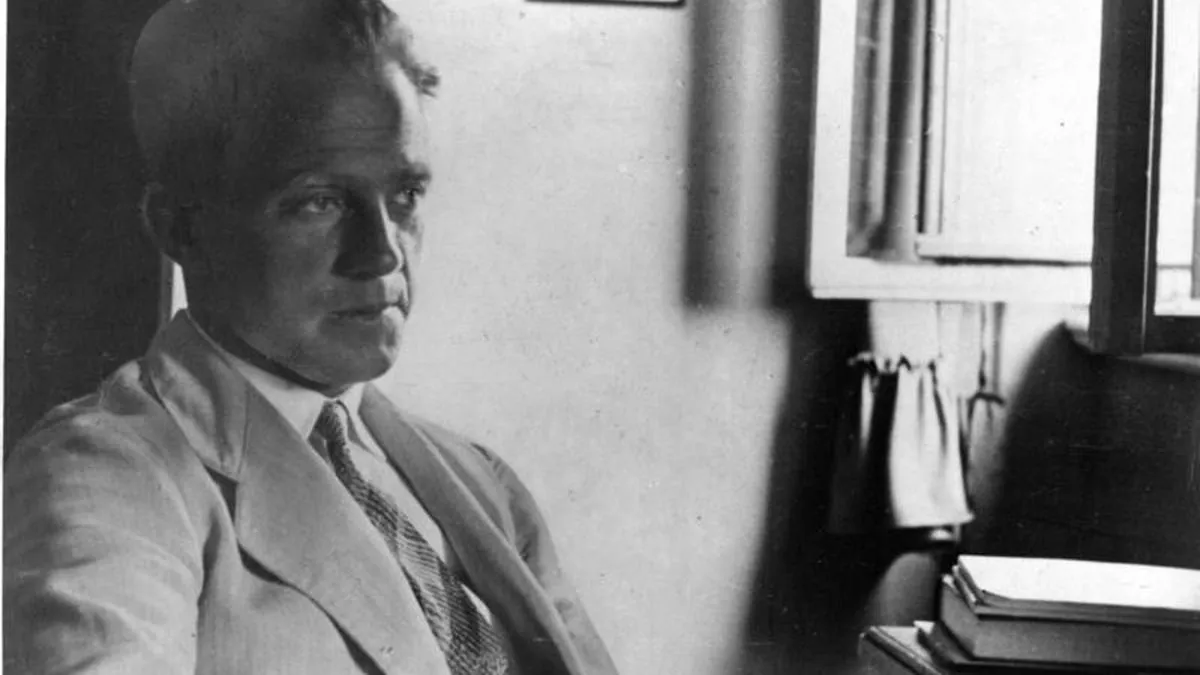
The B8 reactor assembled by Werner Heisenberg’s team in April 1945 was much further from sustaining a chain reaction than the physicist had believed. Authors of a study in PNAS Nexus reached that conclusion after examining surviving uranium cubes, historical records and the materials available to Germany.
The reactor was installed in a cellar in Haigerloch and used natural uranium with heavy water to slow neutrons. After the war, Heisenberg wrote that B8 had fallen short by only a small additional quantity of uranium. The new analysis put its neutron multiplication factor at about 0.942. A self-sustaining chain reaction requires a factor of 1.
The researchers estimate that B8 would have needed about 2,994 kilograms of uranium and 3,411 litres of heavy water to become critical. When dismantled, it contained about 1,538 kilograms of uranium and 1,549 kilograms of heavy water. The authors estimate that German facilities collectively had about 2,572 kilograms of uranium and 1,890 kilograms of heavy water at 96.8% purity.
The team also assessed whether graphite could have replaced heavy water. Graphite produced in Germany from metallurgical coke contained more boron, which absorbs neutrons, than the material used by the American programme. The researchers concluded that available resources would not have enabled criticality either in B8 or in a hypothetical graphite reactor.
The finding does not mean German physicists lacked the necessary expertise. Shortages and the limited industrial scale of the programme constrained the project. Some parameters remain unknown, including the exact purity of the heavy water at Haigerloch. The authors also rely on archival records for graphite impurity levels. Given the uncertainty during the war, Manhattan Project scientists’ fears were understandable, but the new measurements show that B8 was not close to becoming a working reactor.