
Angela Rosenberg’s childhood connection to the sea grew into a project introducing students to marine science: she and her sister Kari founded the ANGARI Foundation, and a 65-foot yacht became a base for expeditions with researchers.
Rosenberg remembers sitting at the helm of her family’s sailboat on Chesapeake Bay. The experience helped shape her interest in the ocean and her later career as a marine scientist. In 2016, she and her sister Kari established the ANGARI Foundation to connect research, education and the public.
Florida International University’s FIU News reported that the foundation later partnered with the university to take local middle and high school students on marine expeditions. The sisters found a 65-foot yacht, Cassandra Jade, and refitted it for the work: its living room became a laboratory, indoor and outdoor workspaces were added, and new equipment was installed. The vessel was renamed ANGARI, combining the sisters’ names.
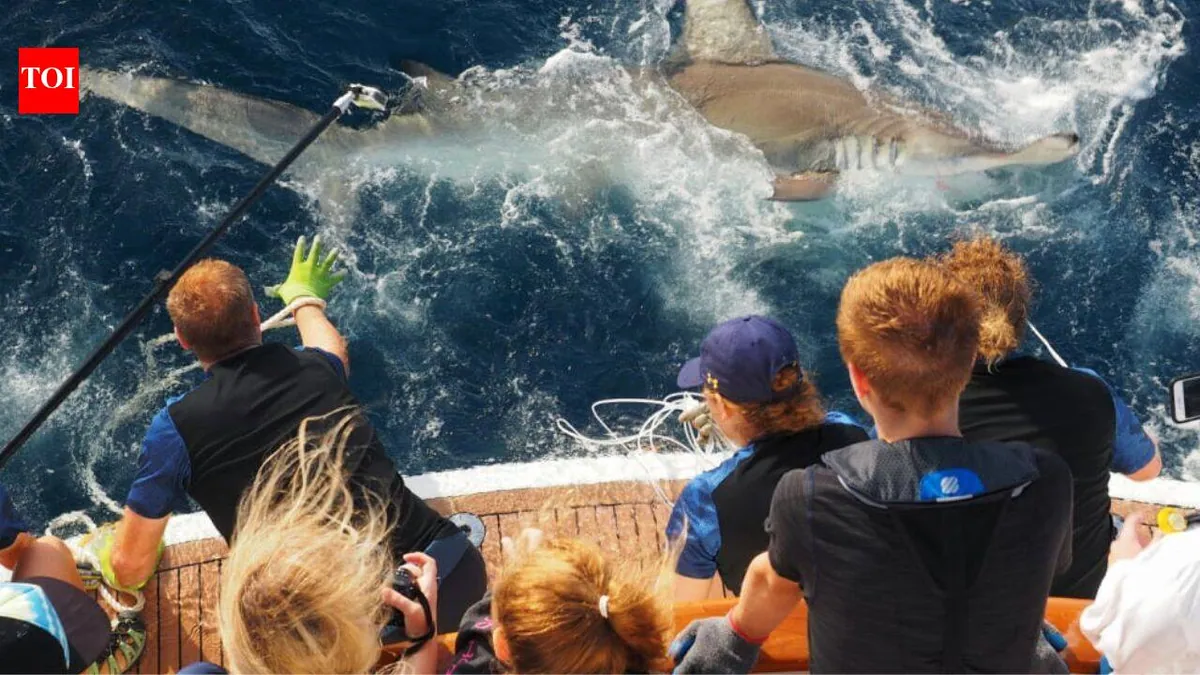
Students were expected to work alongside marine researchers, with activities including tagging sharks and examining plankton under a microscope. FIU and the foundation planned 12 trips in each fall and spring semester. University researchers, including Mike Heithaus, led expeditions. The aim was to give students direct field experience and show them what a career in marine science can involve.
Rosenberg’s own education informed the program. She initially considered medicine, then learned in college that she could study marine biology. She earned bachelor’s degrees in marine science and biology and a master’s degree in marine geology and geophysics. Her later research included deep-sea corals, marine fossils and ocean acidification.
In late September 2026, the ANGARI Foundation said its Coastal Ocean Explorers: Sharks program, run with FIU, had passed 1,000 participants. The foundation says students and teachers go to sea aboard R/V ANGARI, where they help researchers catch and tag sharks and collect data. The milestone extends the idea that began with Rosenberg’s childhood interest: letting students encounter science outside the classroom.