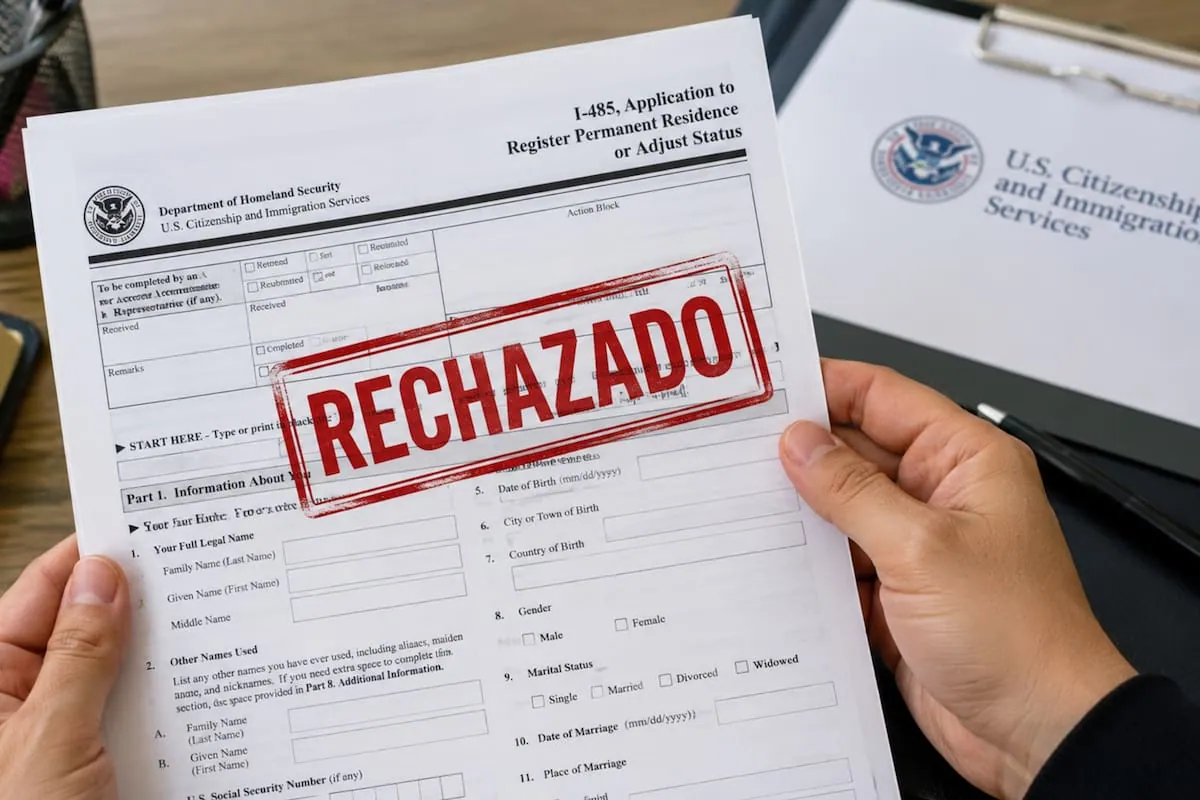
Since Sept. 18, U.S. Citizenship and Immigration Services has applied an Officers may consider a wider range of circumstances, including finances and use of some government benefits.
The change covers adjustment-of-status applications filed on or after Sept. 18, 2026. The Department of Homeland Security rescinded the 2022 regulation and restored broader discretion for USCIS officers to assess whether an applicant is likely to become dependent on government support. The Federal Register lists the same effective date.
Officers may weigh an applicant’s age, health, family circumstances, assets, resources, financial condition, education and skills, along with other relevant factors. They may review Forms I-485 and I-693, case documents, Department of Homeland Security systems and information gathered in interviews.
Applications for, approval of or receipt of means-tested benefits, including Medicaid and the Supplemental Nutrition Assistance Program, may be considered. Receiving those benefits does not by itself make someone inadmissible. The date, duration and circumstances of assistance are among the factors in the overall assessment.
Cases filed before Sept. 18 that remain pending continue under the previous rules. The filing date determines which framework applies and which version of Form I-485 USCIS may request. If information is missing, the agency may seek additional evidence or issue a notice of intent to deny.
The rule concerns public-charge determinations and is not described as a review aimed only at Latino applicants. Its effect depends on the applicant’s immigration category and individual circumstances. USCIS said a revised Form I-485 would request information about means-tested benefits.