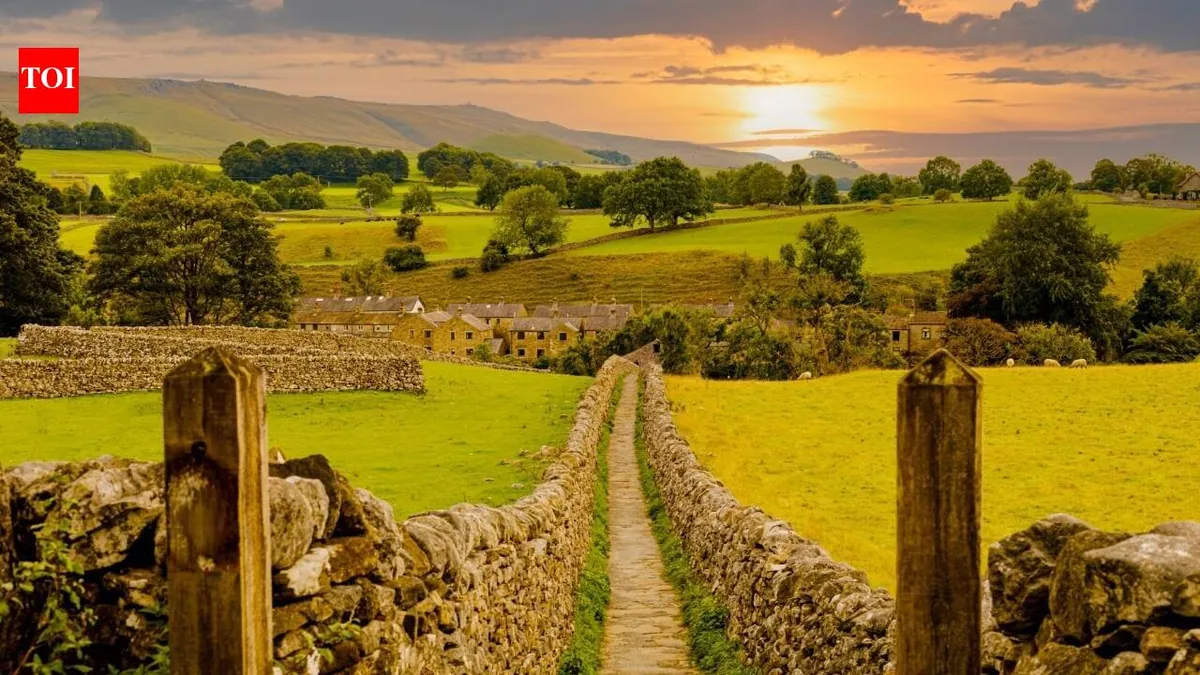
A decade of monitoring found increases in several species across two farmer-led clusters in southern England, against a broader decline in farmland wildlife. Corn buntings at Martin Down rose by 346%, while grey partridge pairs at Allenford grew from seven to 26.
Ten years of monitoring across two farmer-led clusters in southern England show gains for several farmland species. Around Martin Down, on the Hampshire-Dorset border, corn bunting numbers rose by 346%, even as the species has declined by 83% across the UK since 1967. Grey partridges in the same cluster increased by 147%, while butterfly abundance rose by 183% and species diversity by 28%.
In neighbouring Allenford, the number of breeding pairs of grey partridges rose from seven in 2016 to 26 in spring 2025, a 271% increase. Butterfly diversity grew by 48% over the decade, and the number of bumblebee species increased by 25. Surveyors recorded two species that are nationally scarce. Turtle doves, barn owls, swifts, harvest mice and brown hares also benefited.
The findings come from reports on the Martin Down and Allenford clusters, supported by the Game & Wildlife Conservation Trust. Together the groups manage more than 13,500 hectares across Hampshire, Dorset and Wiltshire. Their approach is to coordinate habitat work across neighbouring farms. Wildlife does not follow farm boundaries, so connected habitats can be more useful than isolated patches.
At Martin Down, farmers have created more than 100 hectares of new grass and flower margins, increased wild pollinator habitat by 50% and doubled the number of water scrapes for turtle doves. They also manage 600 hectares of land to help grey partridges survive and breed, while gamekeepers manage predation. The work combines farmers’ own spending with agri-environment schemes.
Megan Lock, the facilitator for both clusters and a senior farm environment adviser at the trust, helps farms coordinate projects and monitor results. She said annual monitoring is essential but currently lacks financial support. Lock also pointed to the scale of farming’s role in nature recovery: farmers collectively manage 72% of UK land, while nature reserves cover 8%. Cluster leaders and the trust say continued support for facilitators and monitoring will be needed to sustain the work.