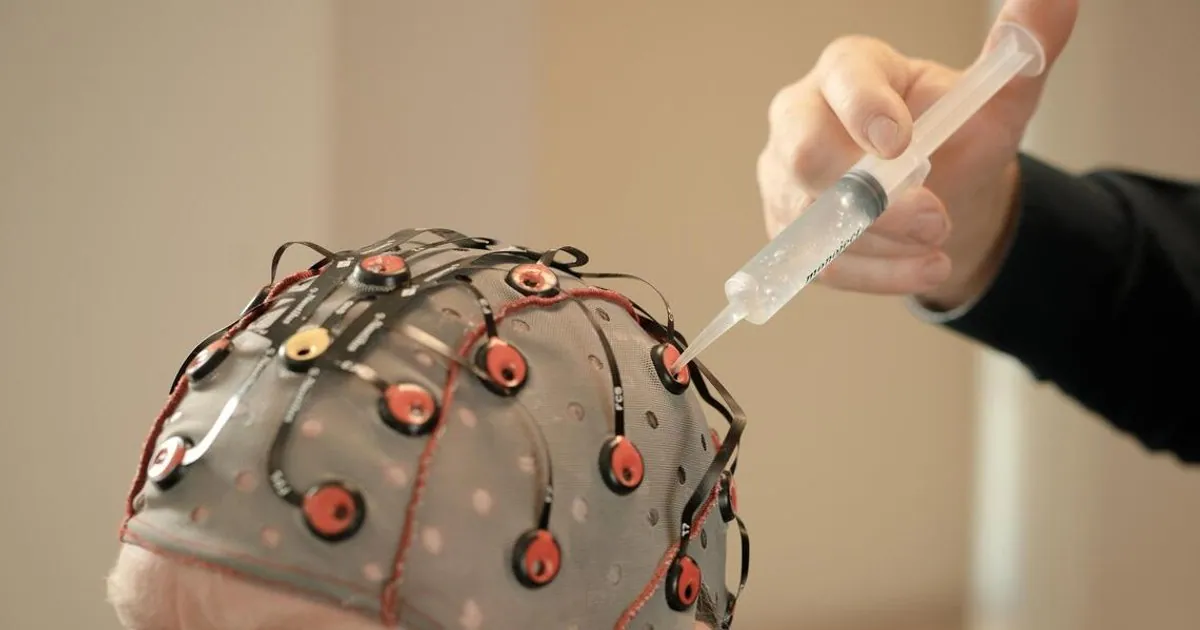
Secretary-General António Guterres urged governments to set safeguards before technologies that read or influence brain activity spread into criminal justice.
Neurotechnology could give governments access to people’s brain data and the ability to influence brain activity, raising risks to privacy and other fundamental rights. In a warning issued on Oct. 8, United Nations Secretary-General António Guterres said the use of such systems in investigations, courts and prisons carries significant risks alongside potential benefits.
A UN report recommends regulating the development and use of neurotechnology in line with international law, treating thoughts as highly sensitive personal data and requiring explicit consent for its use in criminal justice. Jeremy Laurence, a spokesperson for the UN Human Rights Office, described the document as an opportunity to establish safeguards before the technology becomes routine in law enforcement and courts.
Marcello Ienca, a professor of ethics and neuroscience at the Technical University of Munich, said freedom of thought includes not only expressing beliefs but also keeping inner thoughts private. The concern is growing as consumer devices that track sleep, stress and focus become more common. The Neurorights Foundation said a 2024 review of privacy policies from 30 companies found that most had no limits on how they used customers’ brain data, while more than half explicitly allowed sharing it with third parties.
Some jurisdictions have already moved to protect neural data. Chile enshrined protections for brain activity in its constitution in 2012, and California, Colorado and Montana have passed laws protecting neural data. Similar measures have been proposed in Argentina, Brazil, Colombia and Mexico.
At the same time, some authorities have tried to use neurotechnology in investigations. In India, police have used Brain Electrical Oscillation Signature, or BEOS, for about two decades to assess whether suspects may have been involved in crimes. The method’s scientific basis is limited, it has not been validated by the international scientific community, and its results are not admissible as evidence in Indian courts. A government-appointed Indian committee called it “sub-optimal” in 2008. In clinical settings, brain-computer interfaces have helped people with paralysis type text, control robotic limbs and play chess online.