Vladimir Potanin warns heavier taxes could weaken Russia’s revenue base
Nornickel president Vladimir Potanin told RBC that Russia’s tax burden had reached a level that could reduce investment and budget receipts. He called for stable rules and for additional taxes to be drawn from profits already earned.
Potanin described insufficient investment as the economy’s central problem. In his assessment, lower capital spending slows growth and narrows the taxable base. His comments are a businessman’s assessment of the potential effects of fiscal policy.
RBC cited a 2.3% real decline in fixed-capital investment in 2025. The Economy Ministry forecasts a further 5.4% fall in 2026 and growth of only 0.2% in 2027. In September, the ministry attributed a deeper and longer correction to uncertainty, structural risks and slower reductions in the central bank’s key rate.
Potanin said efforts to contain the budget deficit primarily cut investment spending. In his view, extracting profits from businesses of different sizes further constrains their ability to fund investment.
The government and Finance Ministry plan budget consolidation in 2027. Total spending is projected to fall from 20.9% of GDP in 2026 to 19.6% in 2027. Anton Siluanov previously identified social priorities, defence and security as protected areas. Planned federal spending optimisation totals 1.93 trillion rubles.
The Finance Ministry also plans to raise an additional 1.5 trillion rubles in 2027 through legislative initiatives. These include extending the five-tier progressive personal income tax scale to passive income and taxing windfall revenues in mining and metals. The latter would be calculated from market prices exceeding their 2025 baseline.
Potanin accepted that businesses could face a heavier burden in current circumstances, but argued it should be funded solely from profits already earned. He opposed collecting taxes in advance or using borrowing and working capital to meet them.
Business ombudsman and RSPP head Alexander Shokhin previously described the proposed windfall levy as resembling a turnover tax. Potanin said he wanted a return to the principles of an agreement two years earlier: a heavier but predictable burden for a defined period, focused on profits.
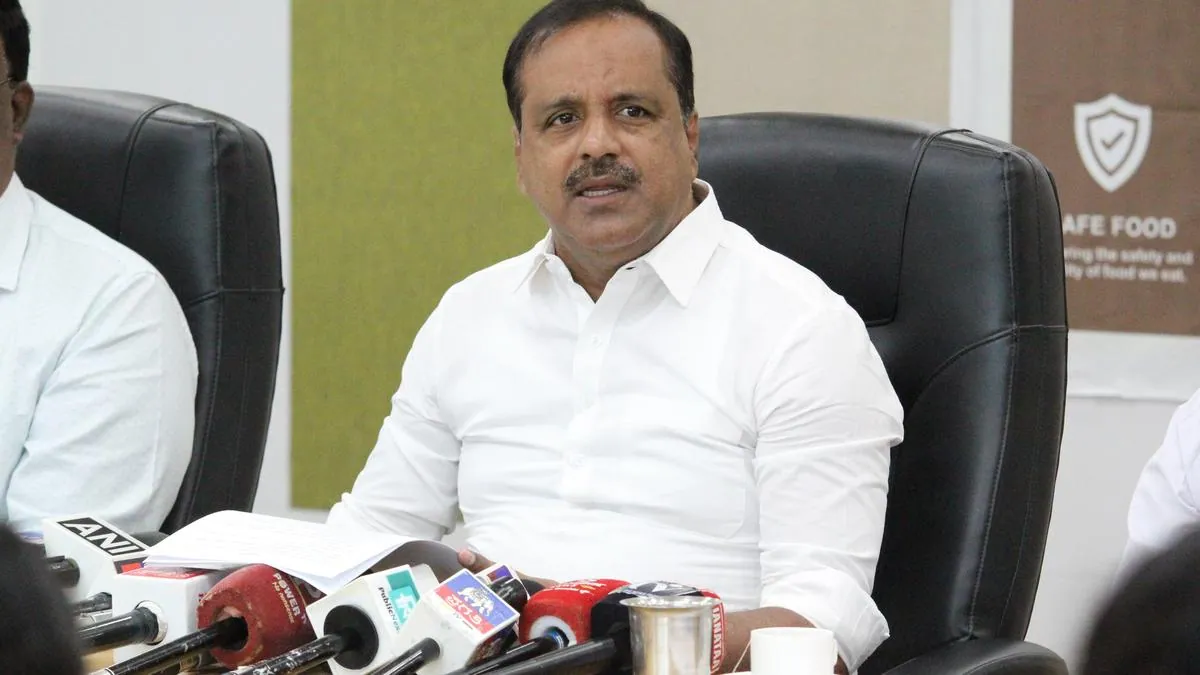
Karnataka calls for price controls on costly heart and kidney medicines
Latest news

SCO anniversary football tournament opens at Russian embassy in Beijing
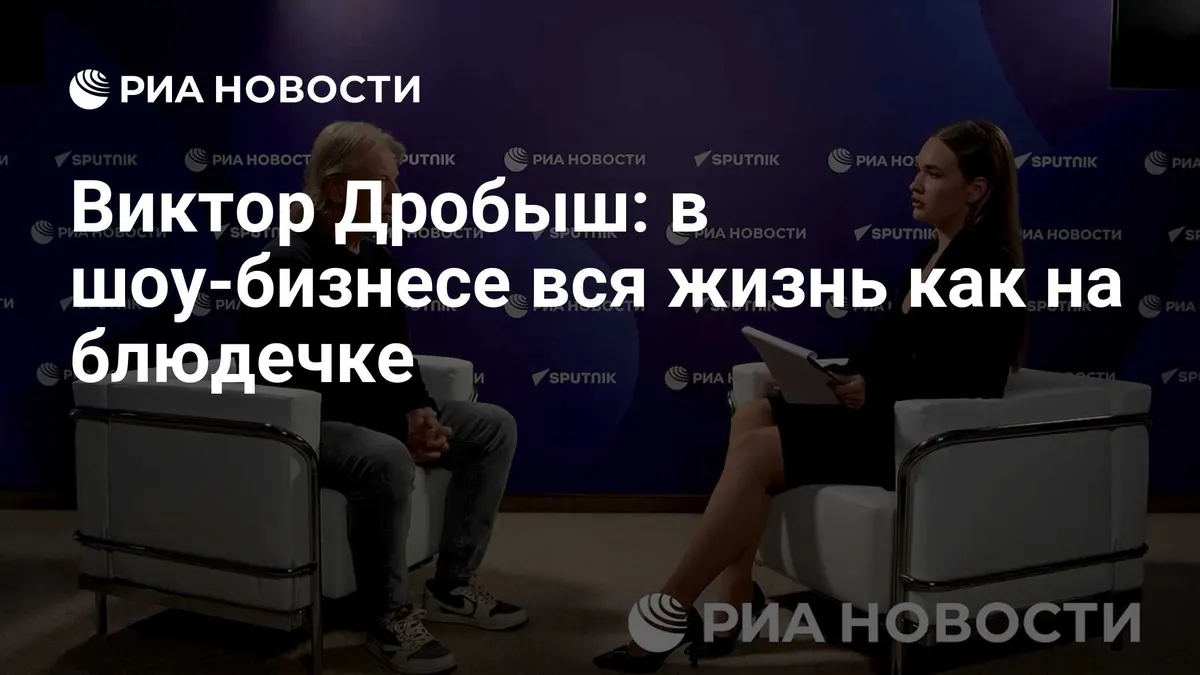
Viktor Drobysh discusses artistic partnerships ahead of anniversary concert
Glotov’s late equaliser earns SKA-Khabarovsk a 3-3 draw with KAMAZ
Chennai to divert commercial and heavy vehicles during Modi’s October 11 visit