After new complaints about AI-generated images of schoolgirls, Argentine educator Laura Lewin called for a faster and more consistent response from schools, families, authorities and technology platforms.
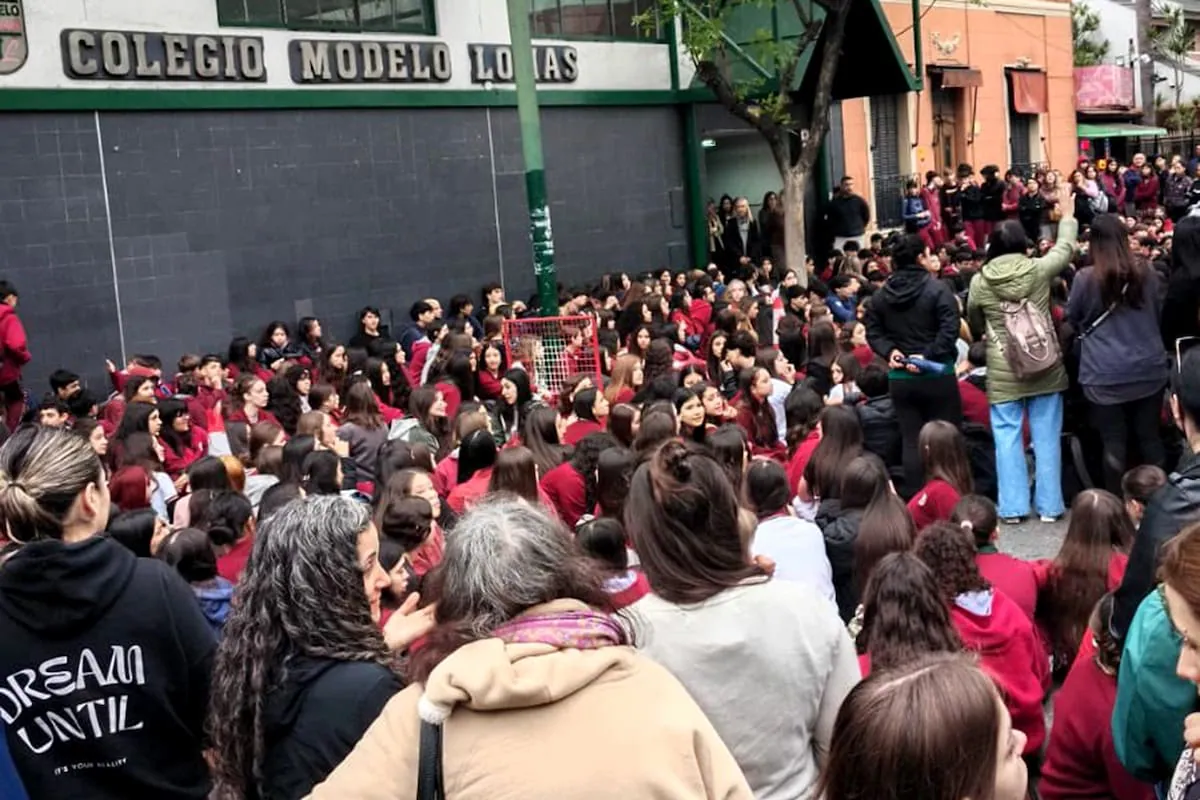
In a separate report, LA NACION described allegations that such images had been created at Colegio Modelo Lomas. Earlier reports involved students at Colegio Nacional de Buenos Aires and Escuela Superior de Comercio Carlos Pellegrini. The available reporting does not independently establish the scale of each incident, so the allegations remain subject to investigation.
In an opinion column, Lewin writes that the harm to adolescents extends beyond the fabricated image itself. When it is made by a classmate the victim trusted, it can undermine a student’s sense of safety at school. Even after a file is deleted, a teenager may not know who saved or forwarded it.
Lewin says responsibility does not rest only with the person who creates an image. Those who pass it on also take part in the harm. In her view, schools should first protect the student affected, preserve evidence, contact families and apply clear, proportionate consequences. Moving the victim to another class or school should not be the standard response.
The columnist also calls for discussions about digital consent and personal boundaries before another incident occurs. She says families should not dismiss a child’s conduct as a prank, but help the child understand its consequences. Digital education, she argues, must cover more than privacy settings and screen time. It should also address what to do when an intimate image of someone else arrives in a chat.
Lewin separately appeals to lawmakers and platforms. She argues that clear legal rules are needed and that safeguards should be built into apps so they do not make it easy to create sexualised fabrications involving minors. This is the columnist’s position, not a description of a law already adopted in Argentina.