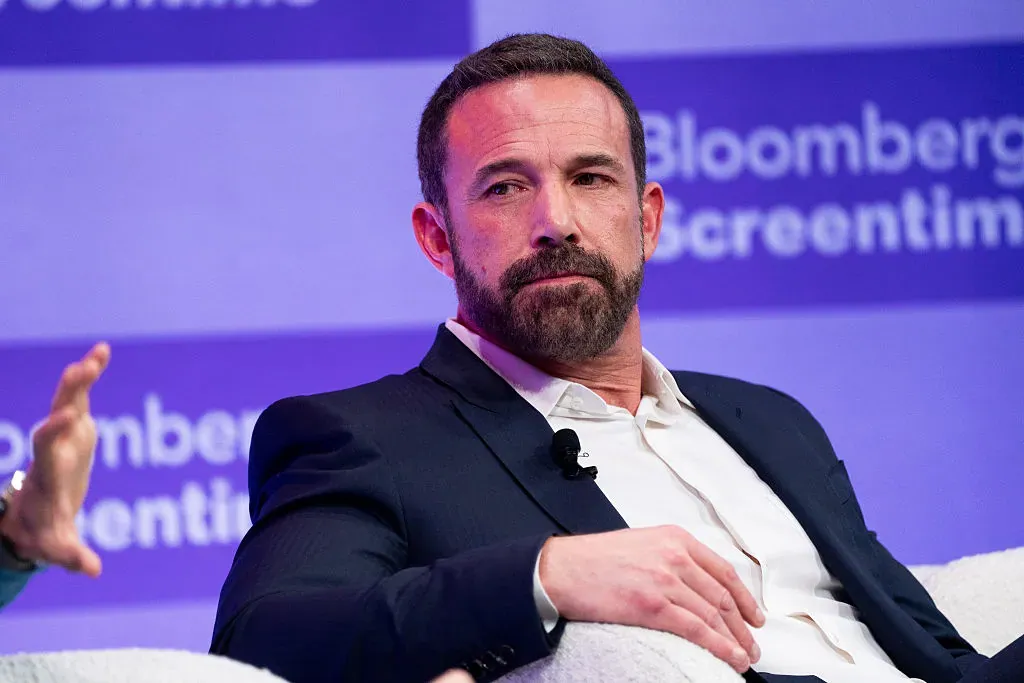
The actor and director discussed machine learning in visual effects, neural networks and his filmmaking startup in a GQ interview. He sees AI as a tool that can support artists rather than displace them.
In an episode of GQ’s One More Question series, Affleck told journalist Zach Baron that he had been interested in computers since childhood. The transition from analog film to digital production drew him toward machine learning and visual effects. He said the technology has been part of post-production workflows for years.
Affleck described how convolutional neural networks can identify patterns and isolate objects in an image. That can help separate an actor from a green screen and replace the background. He also discussed transformers, tensors, graphics processors and inference, and said he can write basic Python scripts.
He said his interest in emerging AI tools led him to visit companies including OpenAI and consider building technology for film. Affleck founded InterPositive and raised money to create a proprietary dataset from footage shot over about eight months with multiple cameras and other equipment.
The company’s dataset was intended to help train open models for specific filmmaking tasks. In a separate interview with Bloomberg at the 2026 Screentime conference, Affleck said his team fine-tuned open-source models to meet cinematic standards while allowing filmmakers to retain control of their own material. The approach, he said, lets artists adapt tools to individual productions.
Affleck used AI during post-production on his film Animals. Reports said Netflix bought InterPositive for $587 million, but Affleck disputed that figure and noted that he did not own the entire company.
On AI risks, Affleck focused on concerns closer to home, including education, rising college grades and students becoming overly dependent on technology. He also stressed responsible use. He said he was less concerned about a science-fiction scenario such as Skynet taking over the film business.