Human Rights Watch says outages during two months of extreme summer heat disrupted hospitals and water supplies and put vulnerable people at risk.
Power and water cuts during two months of extreme summer heat affected hospitals, homes and detention facilities in Tunisia. Human Rights Watch said the authorities failed to ensure adequate supplies, undermining health and putting lives at risk.
A doctor at one of the capital’s largest hospitals told the group that backup generators could power only intensive-care units and operating rooms. Other departments, including emergency care, were left without electricity, and some patients could not be registered when the electronic system stopped. The doctor said staff in a neonatal unit manually helped babies breathe during an outage. HRW cited an estimate by the Tunisian Organization of Young Doctors that 150 to 200 people may have died in July from heatstroke or medical equipment failures. The Health Ministry reported 633 heat-related medical cases but did not announce heat-related deaths.
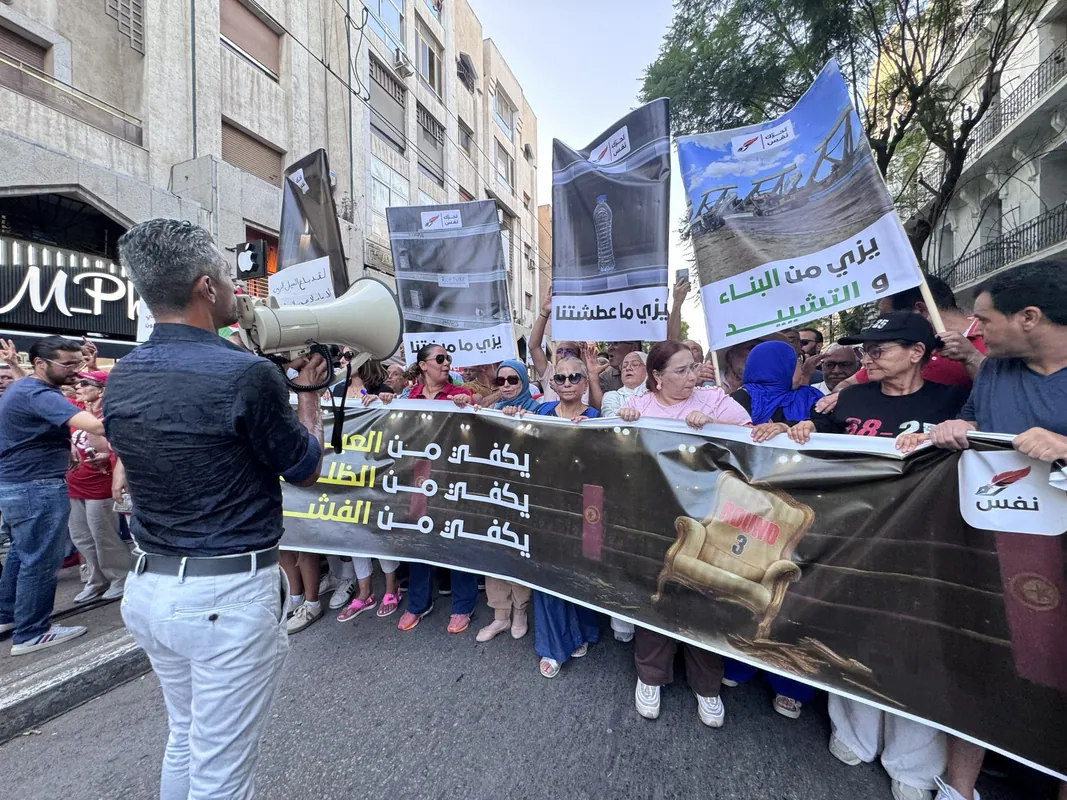
Power failures also stopped pumps and disrupted water supply. The Tunisian Observatory for Water recorded 361 drinking-water outages in August. Five detainees were reported to have died in Mornaguia prison in one day; the Tunisian League for Human Rights documented 20 deaths in prisons and detention centres amid heat and utility cuts. The Tunisian Social Observatory recorded more than 1,100 protests in July and 1,093 in August. HRW urged the authorities to explain the outages and publish plans to keep essential services running.