
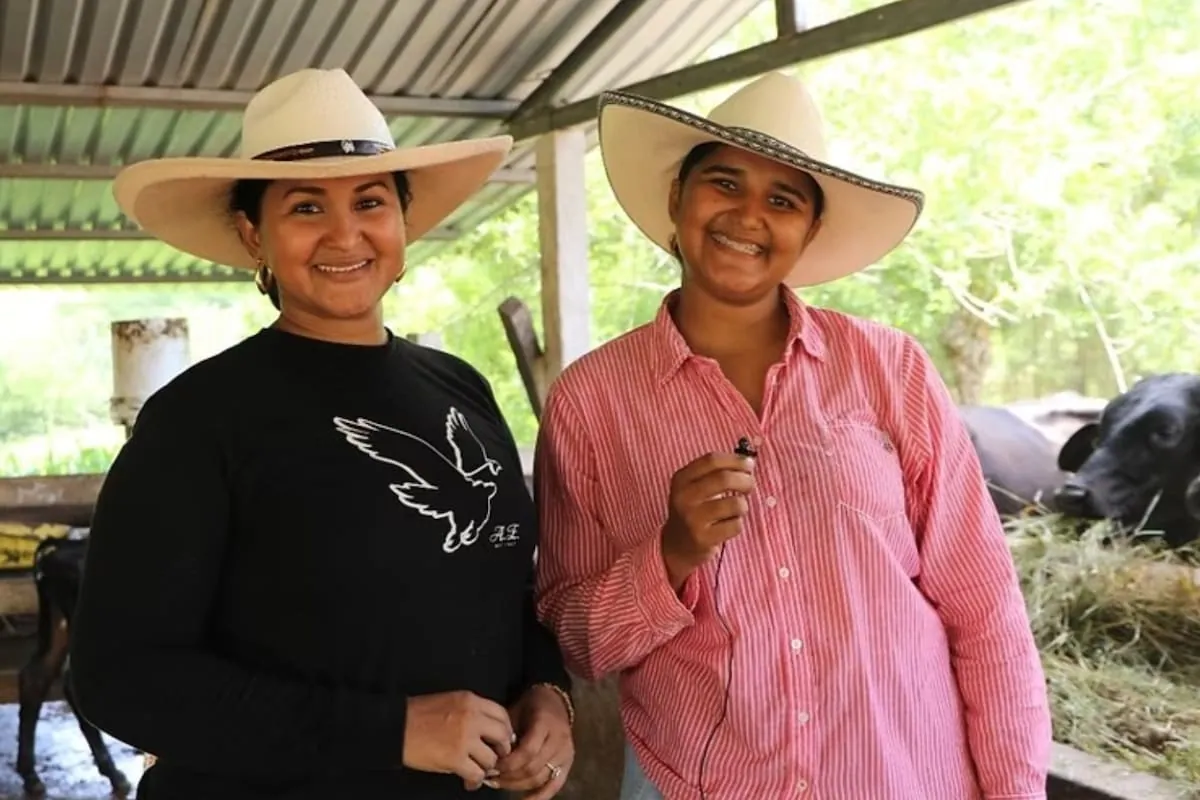
Sisters Genesis and Maria Jose Rodriguez left jobs in San Pedro Sula four years ago to run their family ranch in northern Honduras. They say daily milk production has risen from 22 to 100 liters over the past year.
Genesis, 30, handles administration at Rancho Rodriguez, while Maria Jose, 26, works with the cattle and in the fields. They run the farm with their mother. Genesis studied graphic design and Maria Jose trained as a nurse before they returned to the family property.
The sisters have adopted silvopastoral practices that combine grazing with tree planting. Genesis said added shade helps keep the cattle calmer, while restoring trees has helped water sources last longer and grass grow during dry periods.
An electric fence supplied through the RECOVER project has allowed the family to divide grazing areas and let individual plots recover. It has also helped manage the Sardo Negro cattle, a temperamental breed, Genesis said.
The Food and Agriculture Organization of the United Nations (FAO) said the project provided 25 electric fencing systems, improving grazing management across 11,224 hectares. Genesis also trained as a community promoter of sustainable livestock farming and now shares what she learned with people in the area.
The sisters also reported better herd reproduction. They said cows are now calving about once a year and the number of calves has increased by 22 annually. Their ranch is part of RECOVER, a program supporting sustainable production and biodiversity conservation in northern Honduras.