
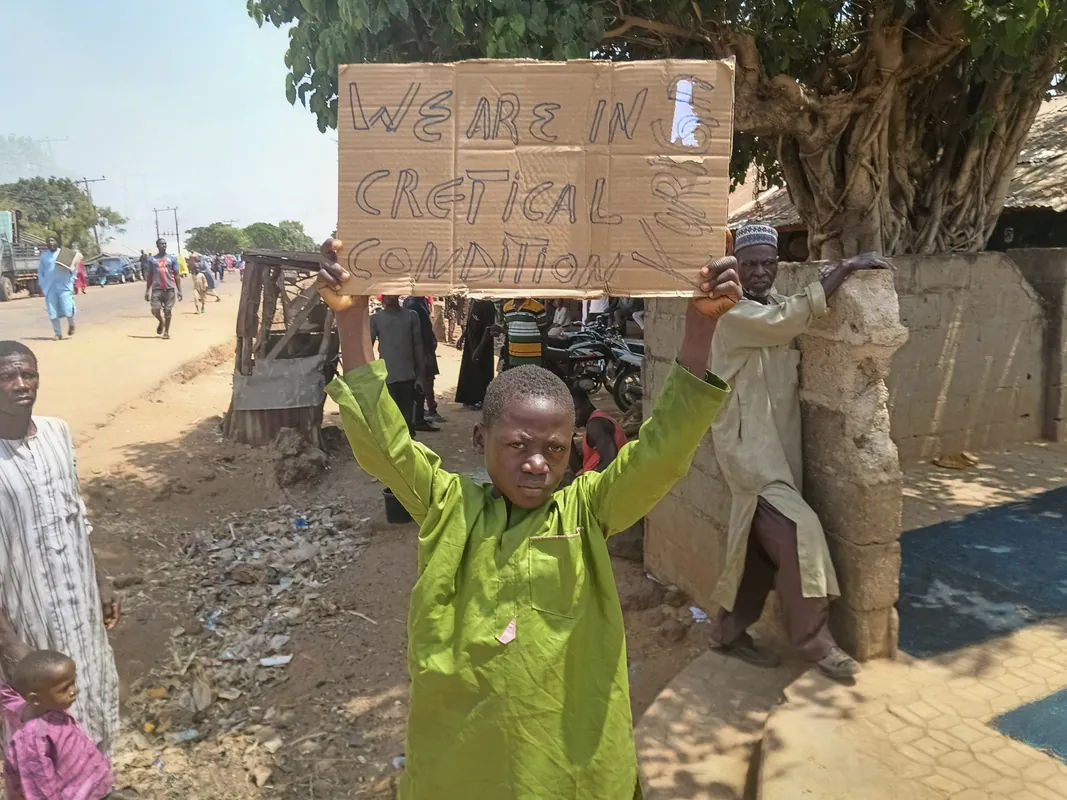
Families in Borno are selling property and taking loans to seek the release of kidnapped relatives, while attacks have forced schools to close. Local authorities say only 56 of 113 primary schools in Askira-Uba are operating.
Abductions in northeastern Nigeria’s Borno state are affecting families on several fronts: relatives go missing, loved ones spend their savings seeking ransom money, and fear of further attacks limits children’s access to education, Al Jazeera reports.
Labara Dauda, 45, said her younger sister was abducted on January 13 along the Biu-Buratai road. After the kidnapping, her sister called from the bush and asked her to pray. Since then, the family has not learned where she is or whether she is alive.
Another resident, Anjikwi Hena, said his son was abducted on March 30 as he prepared to travel to Maiduguri to look for work. According to local education secretary Fasuma Askira, 76 primary schools were operating in the area before the May attack on Mussa. Authorities then closed 20 more because of security threats. Militants abducted dozens of children in the May 15 attack. A list obtained by journalists named 40 missing children, while officials later referred to about 44.
On June 29, armed men attacked a secondary school in Lassa during examinations. Some students were recovered, but 36 students and a teacher were reported to remain in captivity. Some junior secondary students from Mussa were transferred to a boarding school in Uba. Soldiers and local volunteers were also deployed to Mussa and Lassa.
Amnesty International Nigeria reported at least 1,100 abductions nationwide between January and April 2026 and warned that the actual total could be higher because incidents in remote areas go unreported. The organisation says captives face abuse and families are forced to raise money under intense pressure.
Usman Tar, Borno’s commissioner for information and internal security, said authorities were using military and civilian measures, providing logistical support to security forces and deploying drones with thermal imaging. He said families affected by abductions also received financial assistance.
Security analyst Khalifa Dikwa said ransom payments sustain armed groups, helping them buy weapons and recruit new members. He called for stronger intelligence operations and efforts to track ransom money. For families, paying may be an immediate attempt to save a loved one, even as the payments can finance further kidnappings.