
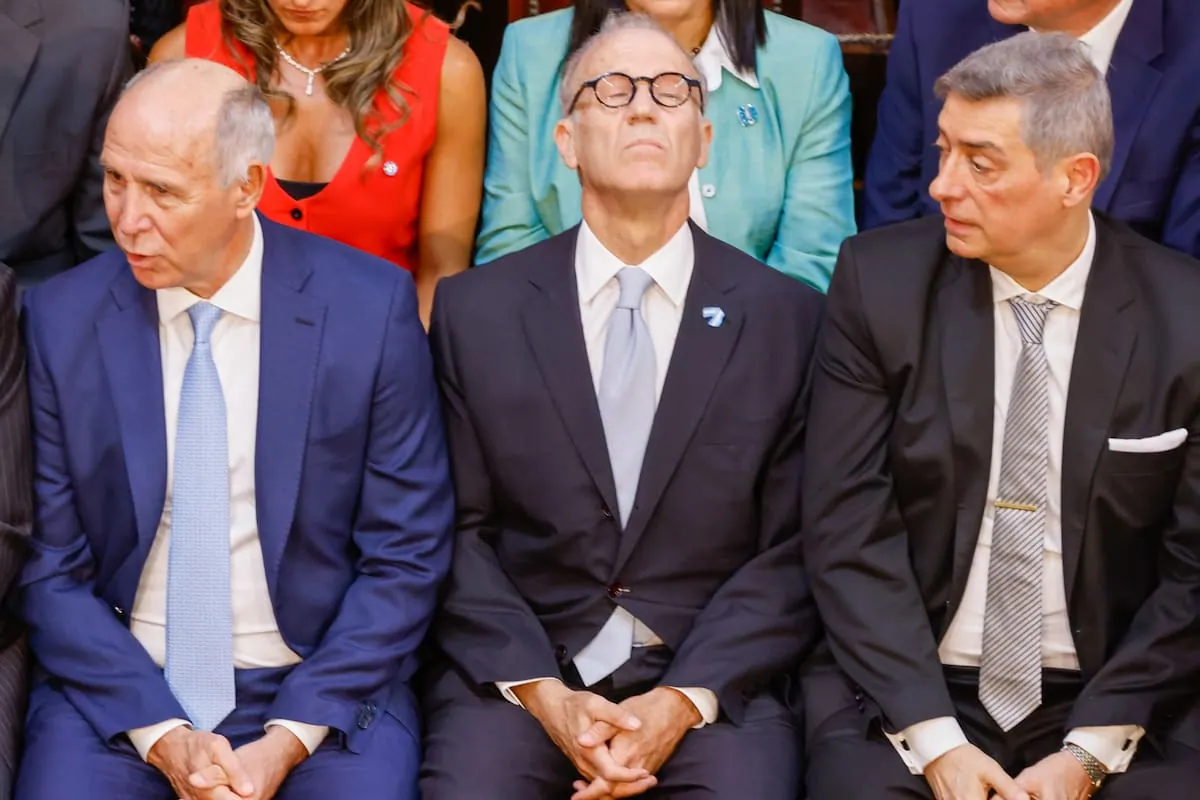
The court has given parties 24 hours to challenge two substitute judges, after which it can set the next steps in a class-action case. The plaintiffs are contesting the repeal of restrictions on foreign purchases of agricultural land.
Argentina’s Supreme Court cut from 72 hours to 24 hours the period in which parties may challenge two judges brought into a case concerning the country’s rural land law. Once that period expires, the court can decide how to proceed with a class-action lawsuit, La Nación reported.
Judges Diego Barroetaveña and Juan Ignacio Pérez Curci were appointed to join the case after the Supreme Court’s three permanent members disagreed on how to proceed. La Nación reported that challenges can be filed within 24 hours of the parties being notified. The court also authorized procedural steps outside regular working days and hours for this purpose.
The lawsuit was brought by environmental group Árbol de Pie, two Indigenous communities and Magdalena Odarda, a legislator from Río Negro province. They have asked the court to clarify whether its recent ruling in a separate case brought by the Center of Veterans of the Malvinas Islands in La Plata also applies to their suit. In that earlier case, the Supreme Court overturned a lower-court ruling on procedural grounds and did not decide the constitutionality of the repeal on its merits.
The plaintiffs say their legal basis differs from that of the veterans’ organization. They invoke collective environmental rights and Indigenous peoples’ rights to ancestral territories. The dispute concerns Article 154 of Decree 70/2023, signed by President Javier Milei. The article repealed Law 26,737, which restricted foreign ownership of rural land.
If the Supreme Court separates the new lawsuit from the earlier case, it will have to decide whether to send the matter to federal courts in La Plata or Bariloche or to consider the request for interim relief itself. The second option would be exceptional and would require the court to find that statutory conditions and urgent circumstances leave no alternative, La Nación reported.
The appointed judges have previously worked in Argentine football’s legal bodies. Barroetaveña headed the ethics tribunal of the Argentine Football Association, while Pérez Curci served on its National Dispute Resolution Chamber. Both resigned in December last year after the Association for Civil Equality and Justice asked the Supreme Court to remove all judges from the football bodies.