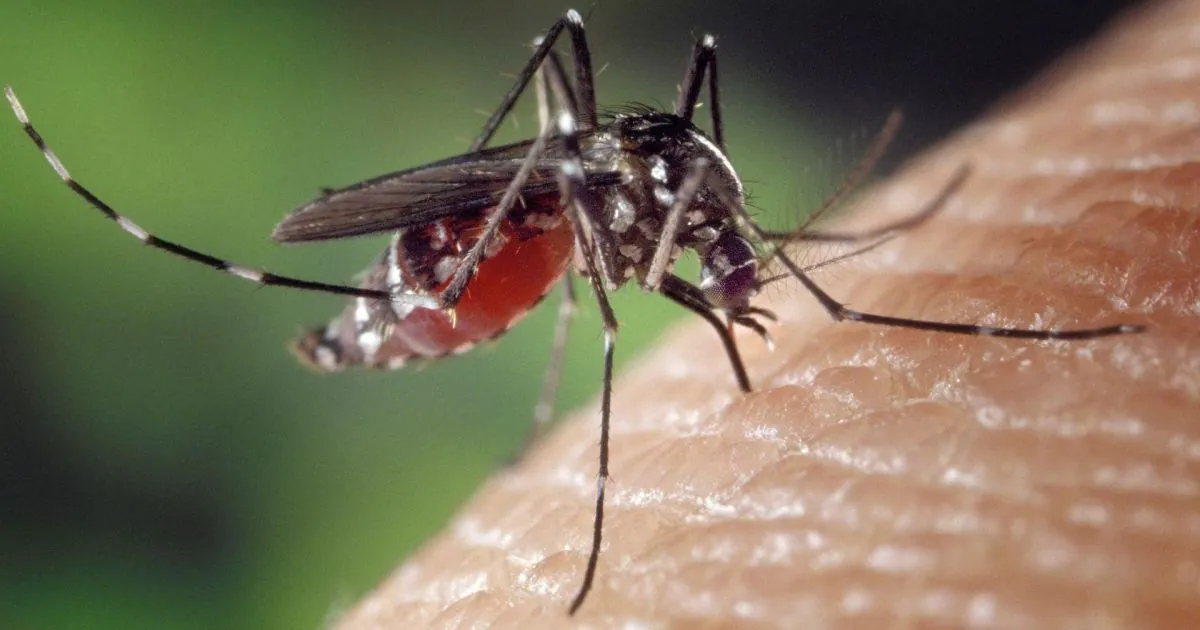
Brazil’s LIRAa survey found Aedes aegypti alert or risk levels in 49.2% of municipalities that submitted data. At the same time, the Health Ministry says probable dengue cases are down about 70% year over year.
Brazil’s Health Ministry released results from the second cycle of its rapid Aedes aegypti infestation survey, known as LIRAa, conducted from May through August. Data came from 3,732 of the country’s 5,569 municipalities, so the finding does not cover every locality.
The most common breeding sites were containers that can hold water, including plant pots and saucers, bottles and other household items. They accounted for 42.3% of identified sites. Water tanks and barrels made up another 26.1%, while tires and solid waste accounted for 23%.
The pattern varied by region. Tires and solid waste were the leading sites in the North, while water-storage containers were prominent in the Northeast. In the Southeast, South and Center-West, plant pots, bottles and other containers were more common.
LIRAa is intended to help local authorities direct prevention efforts to areas with more potential breeding sites. The ministry advises residents to inspect homes and nearby areas regularly, remove or cover containers that collect water, keep tanks sealed, and clear drains and gutters.
The ministry said Brazil had recorded 470,500 probable dengue cases by Sept. 26, compared with 1.5 million over the same period in 2025, a decline of about 70%. The LIRAa measure tracks the presence of the mosquito vector and does not mean reported dengue cases are rising.