In a La Nación column, José Luis Figueroa reflects on a book of testimonies from people shaped by the era's conflict and connects its call for reconciliation to present-day divisions.
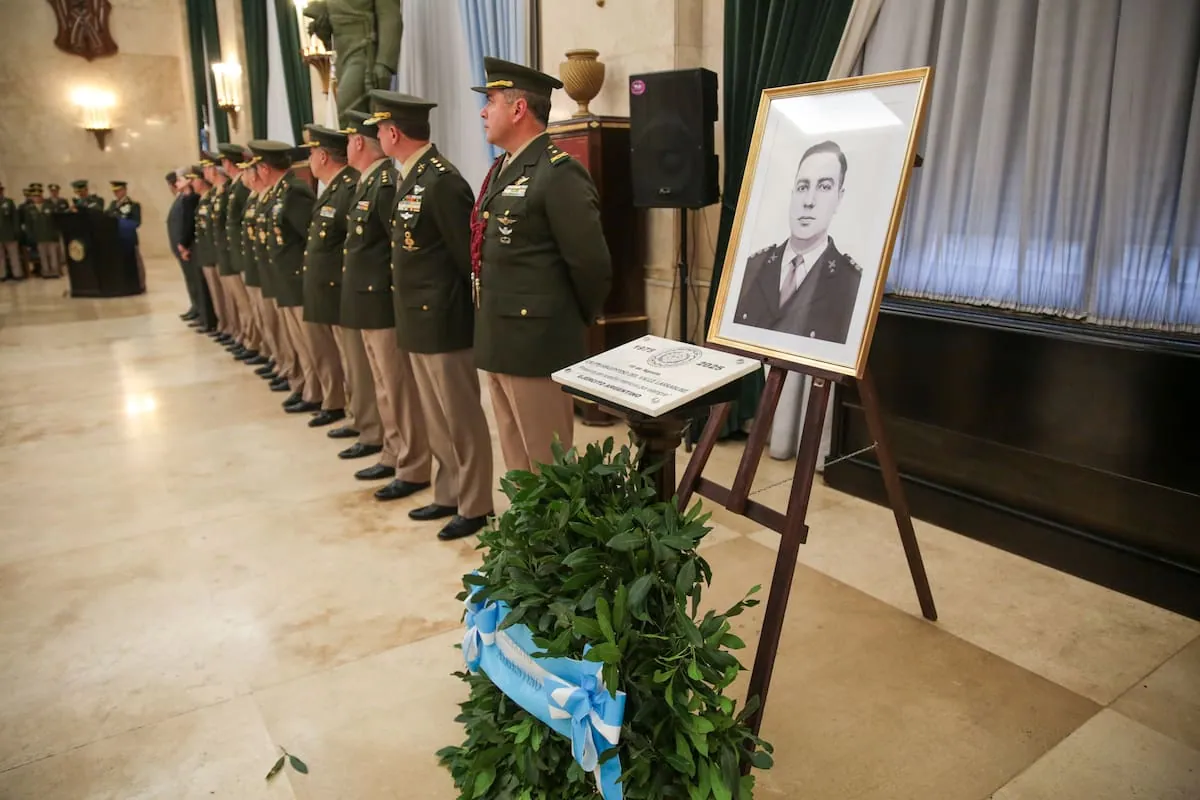
Retired general José Luis Figueroa devoted a La Nación column to Larrabure: Voices for Reconciliation, a book built around letters and a captivity diary by Argentino del Valle Larrabure. The colonel spent 372 days in captivity. Figueroa says those writings carry a message against hatred, calling for moral limits and reflection on a shared future.
The book also brings together accounts from people and families on different sides of Argentina's political conflict. They do not share one interpretation of events or responsibility, Figueroa writes, but he sees in their contributions the possibility of meeting others without abandoning one's convictions. His column argues that people today should be heard for what they say now rather than judged only by their role half a century ago.
Figueroa asks whether court cases over events from that period help close historical wounds or keep them open. He says forgiveness, as he understands it, does not mean denying facts, erasing responsibility or abandoning memory. This is the author's argument and does not settle disputes over particular crimes or court decisions.
He connects that idea to current political debate, rejecting a choice between economic development and social needs. He also points to the Malvinas Islands as an issue on which Argentines could act together. His closing appeal is for the country to learn to handle disagreement without turning it into another confrontation.