Supreme Court rejects Andhra Pradesh appeal over local-body quota increase
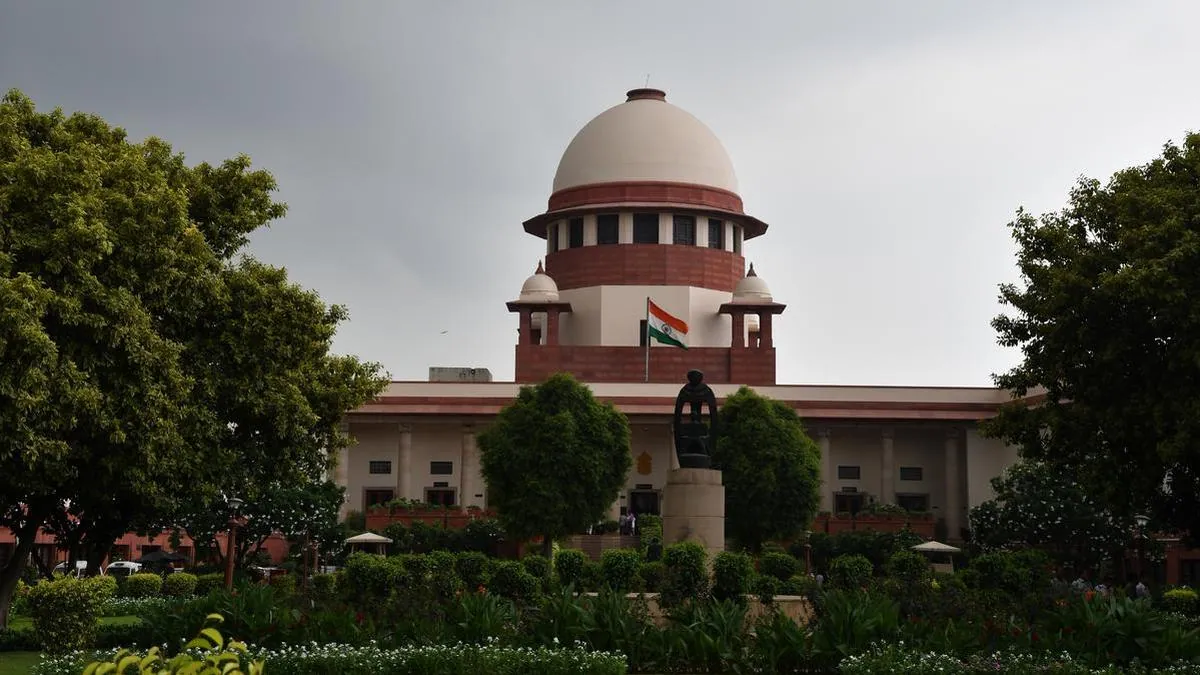
India's Supreme Court rejected Andhra Pradesh's appeal to restore 34% reservation for Backward Classes in local bodies on October 9, finding insufficient evidence to justify exceeding the overall 50% reservation ceiling.
Justices Dipankar Datta and Sheel Nagu upheld the state's High Court ruling of October 1. The bench found figures from a unified family survey insufficient without a specific assessment of backwardness and representation in local bodies.
State counsel Mukul Rohatgi argued that demographic and other empirical material supported the decision. The government cited a statewide survey, verification by village and ward assemblies, local-body-specific information and findings from an independent commission.
The state estimated that Backward Classes made up 50.42% of Andhra Pradesh's population, including 48.84% in rural areas and 54.35% in urban areas. It maintained that population figures were not the sole basis for the higher quota.
August orders provided 34% reservation for these groups in rural local bodies and 33.33% in urban ones. The High Court struck them down to the extent that aggregate vertical reservation for Scheduled Castes, Scheduled Tribes and Backward Classes exceeded 50%.
A similar dispute arose in 2020, when the High Court overturned a 34% quota introduced by the YSR Congress government because combined reservation would have reached 59.85%.
In Vikas Kishanrao Gawali v. State of Maharashtra in 2021, the Supreme Court required a contemporary, rigorous inquiry into backwardness specifically in relation to local bodies. The High Court did not rule out reconsideration of a higher quota once the required empirical exercise is completed.