
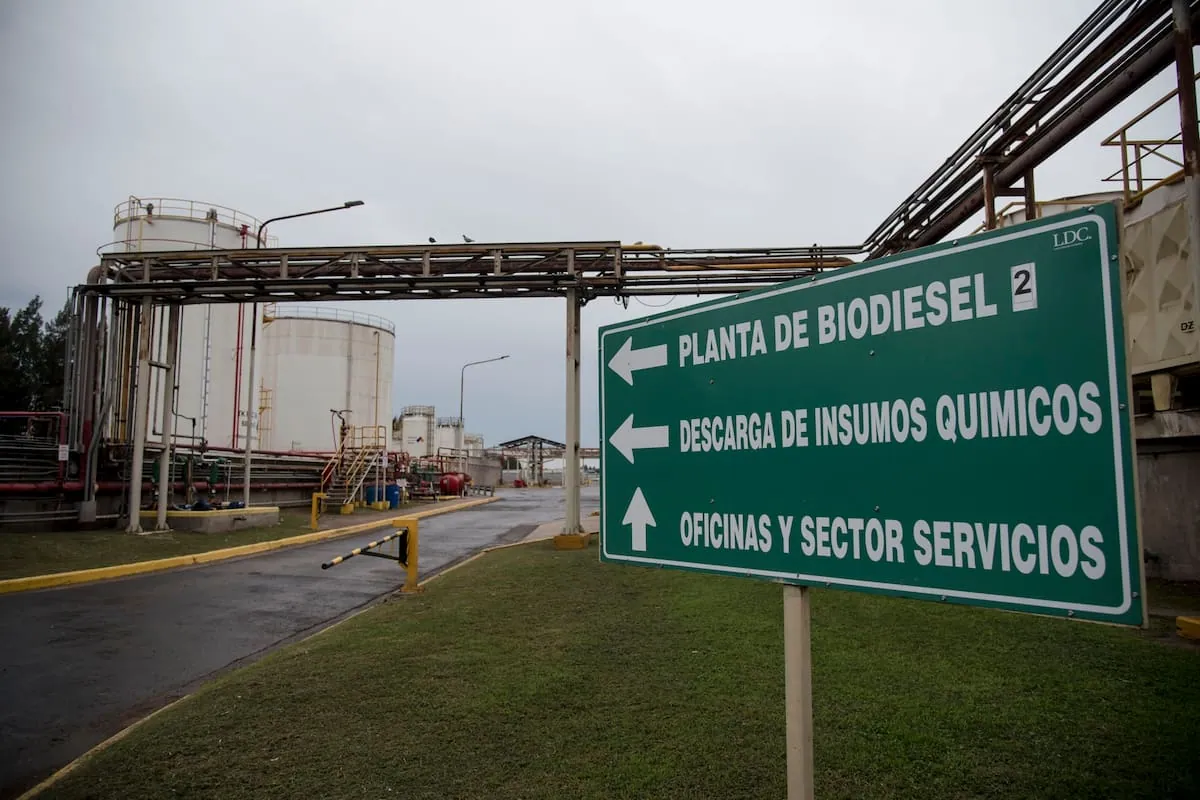
Shipments have reached about 220,000 tonnes so far this year after the European Parliament rejected a contested Commission proposal. The industry is awaiting a rewrite of the rules.
Argentine soy biodiesel exports to the European Union have revived after the European Parliament rejected a European Commission proposal on July 8 that could have restricted market access. Argentina had exported about 50,000 tonnes by the end of June; shipments have since reached roughly 220,000 tonnes. La Nación cited Gustavo Idígoras, head of the industry chamber Ciara-CEC, as saying that around 170,000 tonnes were added in less than three months.
The dispute began in January, when the Commission proposed changing Delegated Regulation 2019/807 and classifying soy as a high indirect land-use change (ILUC)-risk feedstock. Argentina feared the change could gradually limit the ability of EU member states to count soy-based biodiesel toward renewable-energy targets. Buyers held back transactions amid uncertainty even before the rule was decided.
The EU is the main market for Argentine biodiesel. In 2025, Argentina shipped about 280,000 tonnes there, worth roughly $350 million. That was below volumes in earlier years, when exports exceeded one million tonnes. After the July vote, European importers were told that the rejected amendment had not taken effect as proposed and the product could continue to be sold under current rules.
On July 16, Argentine officials and industry representatives met European Commission officials in Brussels. Idígoras said the talks were led by Fernando Brun, secretary for international economic relations, with industry groups supporting the effort. He attributed the return of buyers to their understanding that the rejected measure would not take effect immediately.
Rising international diesel prices also improved the competitiveness of Argentine biodiesel. Idígoras said problems in the Black Sea had pushed diesel prices higher, making the Argentine product more attractive to European buyers. The regulatory debate remains open: the Commission must draft a new version of the rules, while Argentina and the industry are seeking continued market access without the restrictions in the original proposal.