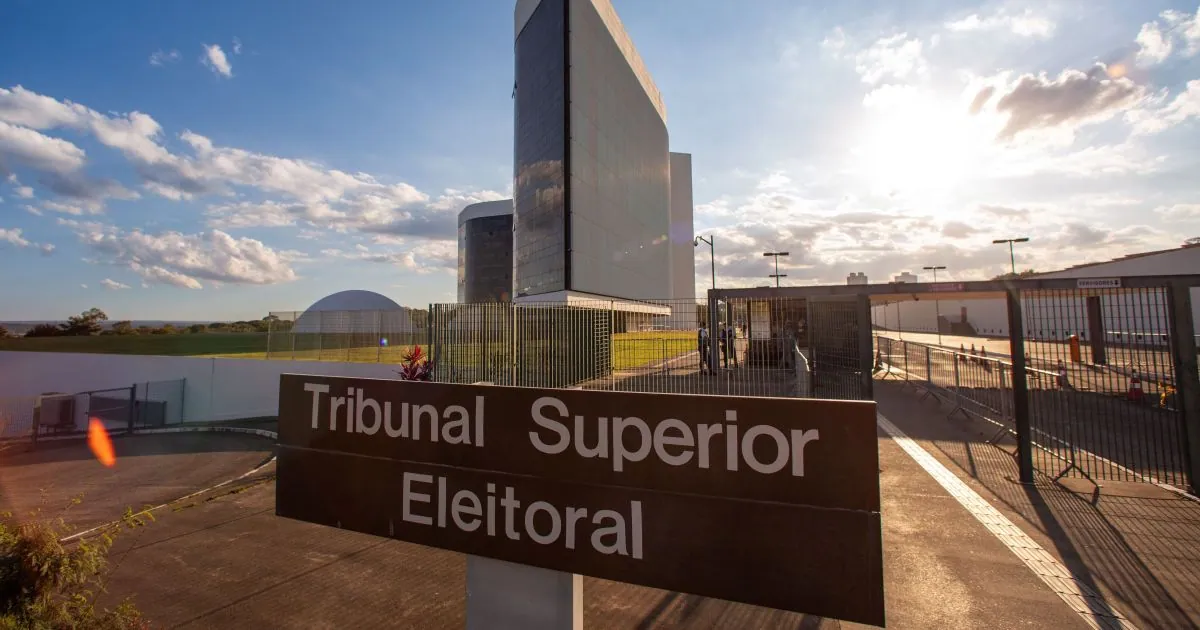
The TSE and MEC plan teaching guidance and classroom materials on citizenship, elections and misinformation. The curriculum is to be pluralistic and nonpartisan.
TSE President Kassio Nunes Marques and Education Minister Leonardo Barchini met in Brasília on Thursday, Oct. 8. The electoral court presented technical proposals to help the education ministry regulate the new mandatory school subject.
The initiative follows Law No. 15,468, signed on July 13, 2026. It amended Brazil’s National Education Guidelines and Framework Law to make political education and citizenship rights a required part of basic education. The law took effect when it was published on July 14.
The material is expected to be taught across subjects such as history, geography and sociology. The guidance is intended for both public and private institutions serving preschool, primary and secondary students.
Students would learn how the three branches of government work and what elected officials are responsible for. TSE’s recommendations also cover voting history, public participation, election oversight, electoral technology, digital culture and ways to counter misinformation. Lessons are to explain the different duties of city councillors, deputies, senators, mayors, governors and the president.
The court will make booklets, videos, podcasts, games and apps available to schools. The agreement also calls for a joint working group, educational visits to the Museum of the Vote and other electoral justice venues, and support for mock elections. Materials may be adapted for different ages and types of education.