
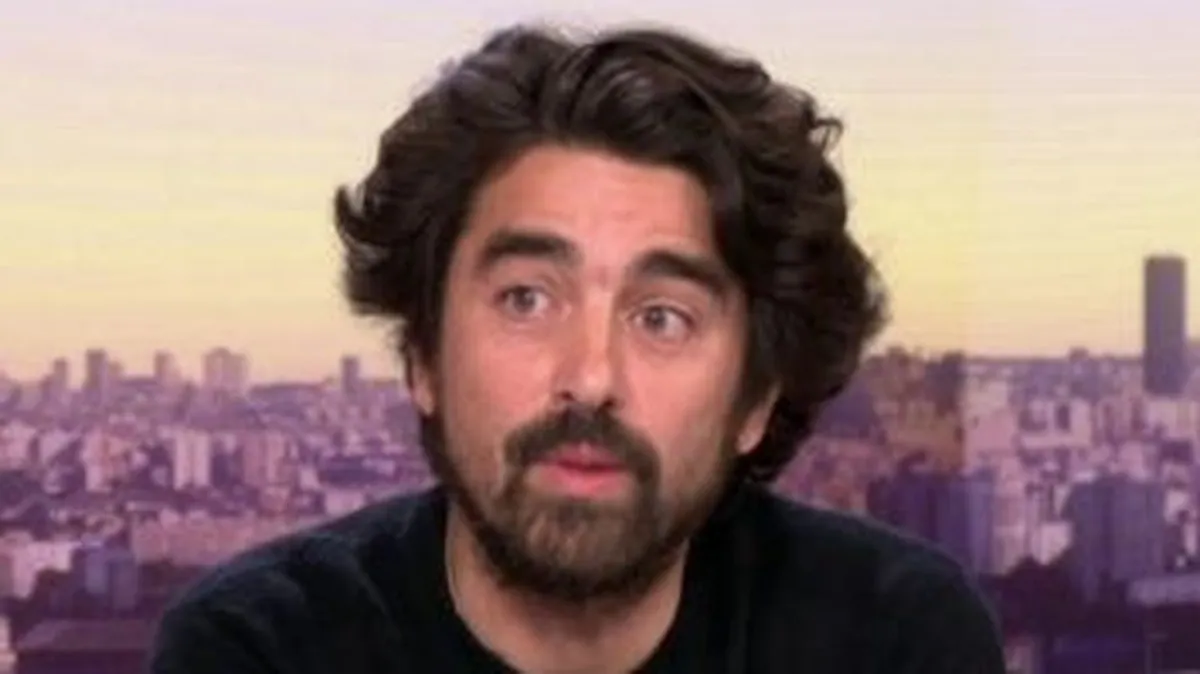
A protest by French high-school students that began in disadvantaged suburbs around Paris has grown into a nationwide movement. Sociologist Fabien Truong of Paris 8 University says a proposed half-day of school discussions does little to address years of complaints about staffing, facilities and unequal access to education.
In an interview with Franceinfo, Truong said the unrest is not a short-lived outburst. Students and teachers have long called for enough teachers, desks and chairs, sound school buildings and more equal access to functioning schools.
The government responded as the mobilization grew. Prime Minister Sébastien Lecornu was due to address the country on the evening of Oct. 7. Franceinfo said his remarks would cover the budget, fuel prices, the farm crisis and the 2027 budget. President Emmanuel Macron had convened a meeting the previous evening. Franceinfo journalist Alix Bouilhaguet said Lecornu had opened the door to changes to Parcoursup, the university-admissions system, but had not explained what they would be. The government also proposed setting aside half a day for school discussions. Truong called that inadequate.
The sociologist linked the protests to problems that have built up over time. He said the issue of replacing absent teachers was raised as early as 2023, but funding for replacements has since been cut. Basic demands—teachers in every classroom, desks, chairs and school buildings in good repair—have been voiced for 10, 15 or even 20 years, he said.
Truong said the government risked underestimating the gap between political leaders and schools. The proposed “internal democracy” already exists in classrooms when students can discuss problems with teachers who are present, he said. In his view, protesters are not asking for more meetings. They want classes and resources.
The movement began in disadvantaged suburbs around Paris before high-school students from other areas and university students joined. Truong linked it to social divisions in education. Over the past 20 or 30 years, he said, high schools have become more socially homogeneous, while teachers and resources remain unequally distributed. He also cited findings by the FCPE parents’ federation in Seine-Saint-Denis, which estimated that a student there could lose a year of schooling over the course of their education because of missed teaching.
Truong described students from better-off schools joining the protests as an expression of solidarity. They say their own schools work reasonably well but that it is unfair for conditions to be much worse only a few kilometers away. He said universities face similar inequalities: they lack lecturers and researchers, while highly selective tracks have different resources. The Interior Ministry counted 266,000 people at nationwide protests on Oct. 6, while student and high-school organizers gave a higher figure, Le Monde and The Associated Press reported.