
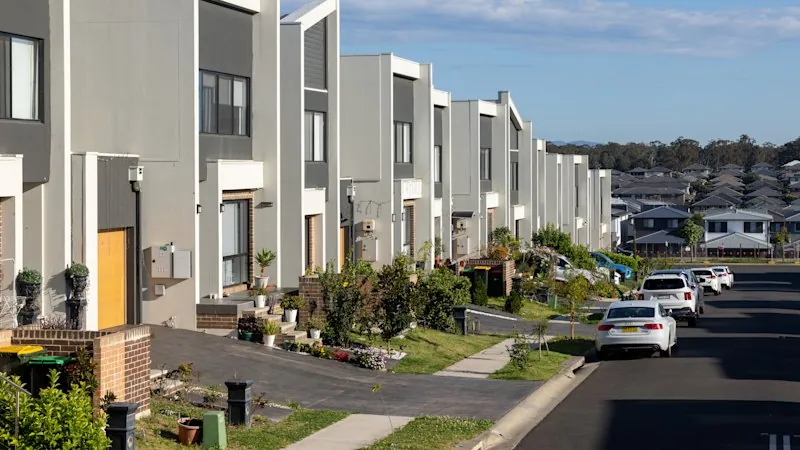
Housing starts rose 7% to 52,201 and completions reached 47,168 in the June quarter. AAP says the country remains off track for its 1.2 million-home target by mid-2029.
Australia recorded more housing starts and completions in the June quarter, but the increase has not put the country on track to meet its target of 1.2 million new homes over five years. Australian Associated Press (AAP) estimates that by the end of June the shortfall against the required pace was 124,183 homes. Economists and industry groups warn that financing and construction costs could curb further gains.
The Australian Bureau of Statistics said construction began on 52,201 dwellings in the quarter, up 7% from the previous quarter. Completions rose 5.8% to 47,168. The total number of dwellings under construction reached 248,733. AAP reports that Australia needed to complete about 70,000 homes per quarter to remain on track.
The National Housing Accord target is 1.2 million homes over five years, from July 2024 to mid-2029. AAP says 355,817 dwellings were completed in the first two years. By the end of June 2026, 480,000 homes were needed to meet the target’s trajectory, leaving a gap of 124,183.
KPMG urban economist Terry Rawnsley described the rise in starts and completions as positive and noted the record number of homes currently being built. He warned that new projects could cost more as oil and construction-material prices rise. Housing Industry Association chief economist Tim Reardon said the quarterly number of starts was insufficient to meet demand and predicted that activity could slow in 2027.
The Housing Industry Association estimates that state and territory governments missed about A$11 billion in stamp-duty and goods-and-services-tax revenue over two years because construction fell short of the target. The group says that reaching the target pace could have generated A$45 billion in economic activity. These are industry-association estimates, not an official budget calculation.
Treasurer Jim Chalmers and Housing Minister Clare O’Neil welcomed the quarterly increase but said more work was needed. The government points to infrastructure funding, 55,000 social and affordable homes and efforts with states to streamline approvals. Builders warn that higher interest rates and global uncertainty are making new projects more difficult.