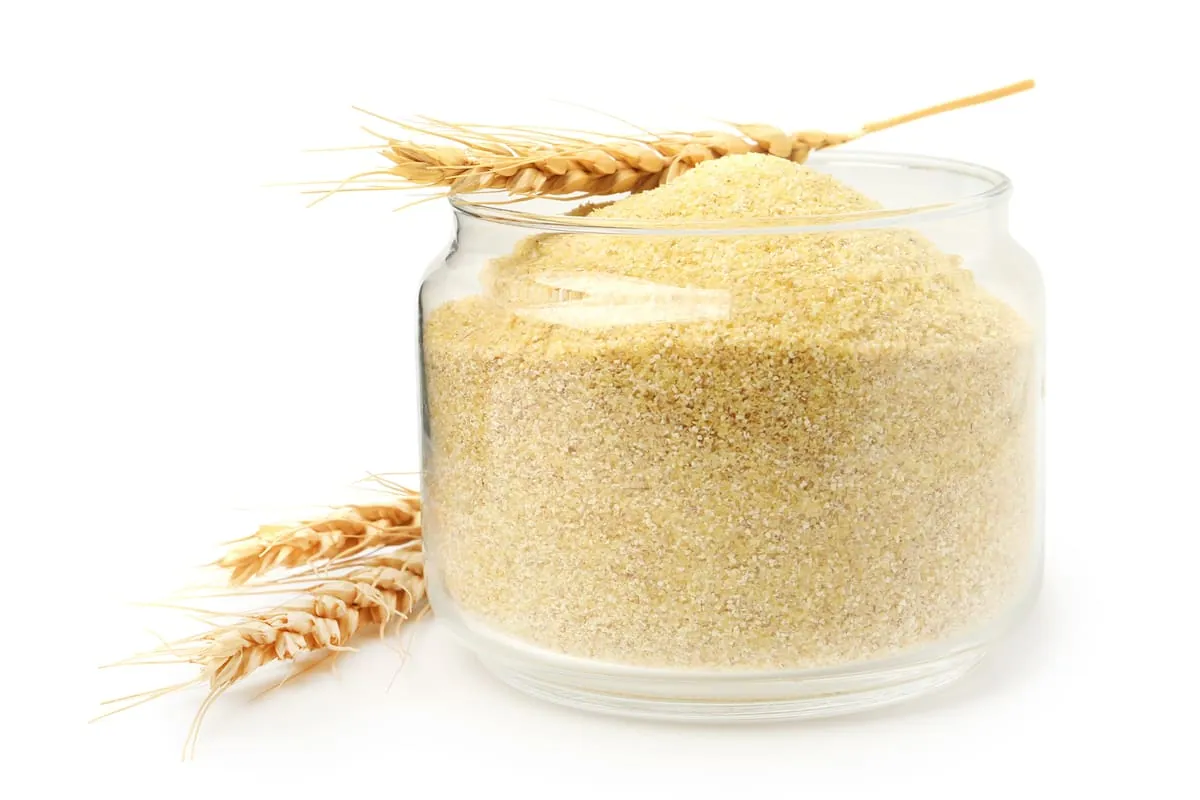
Coarse semolina made from durum wheat differs from fine flour in particle size and helps give dried pasta its firm structure. Dietitian Carolina Caligiuri says that structure may slow starch digestion, though semolina itself does not prevent diabetes or guarantee blood-glucose control.
In Argentina, semolina is used in soups, gnocchi alla romana, dried pasta and couscous. It is made by coarsely milling durum wheat. Natural pigments in the grain give it a yellow hue, while the dense structure and proteins in durum wheat help pasta keep its shape during cooking.
Carolina Caligiuri, a dietitian quoted by La Nación, said carbohydrates in pasta provide energy and the food’s structure can slow the digestion of starch. In a small clinical study, semolina spaghetti had a glycemic index of about 53, lower than white rice and some types of noodles. Results can vary with the pasta, processing and cooking time.
The effect is linked not only to the grain but also to how pasta is made. Starch granules become embedded in the product’s protein network. A study published in Nutrition found that durum-wheat spaghetti produced a smaller post-meal glucose rise than bread or couscous made from the same flour among the study participants.
Durum wheat generally contains more protein than soft wheat. Its gliadin and glutenin proteins form gluten, which gives pasta its characteristic firmness. Caligiuri also said semolina dishes may be more filling when paired with protein and fibre from foods such as legumes, vegetables, eggs, cheese or meat.
Glycemic response depends on serving size, recipe and preparation. Caligiuri advised considering added ingredients, since salt, cheese, stock and sauces can substantially affect a dish’s sodium content. Evidence about food composition does not mean semolina itself prevents diabetes or reduces body-fat accumulation.