
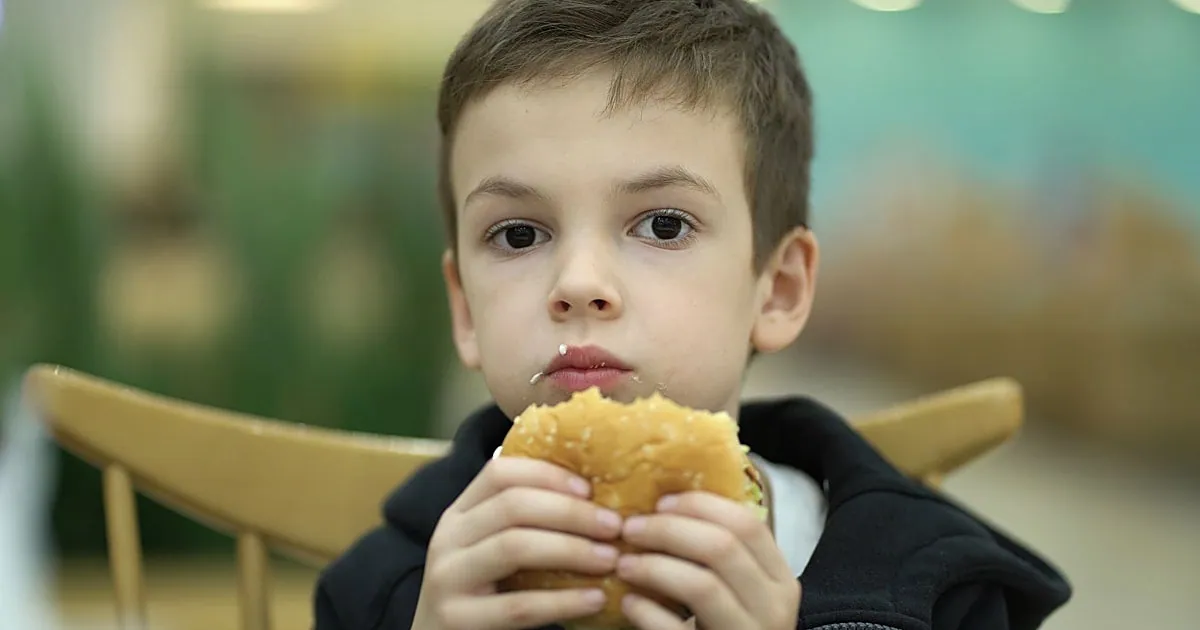
A doctor recommends varied meals, a nutritious breakfast, regular hydration, activity and enough sleep; no single food can improve school performance on its own.
Diet is linked to children’s attention, learning and academic performance, Spanish newspaper ABC reported, citing Paloma Núñez, a pediatrician at Vithas Valencia 9 de Octubre. She said there is no single food that can improve school results by itself; what matters is a balanced pattern that includes all food groups.
The Spanish Association of Pediatrics recommends fruit and vegetables, legumes, whole grains, fish, nuts and olive oil, while limiting free sugars and ultra-processed foods. Núñez said protein helps form tissues and neurotransmitters, omega-3 fatty acids are associated with brain development, and iron is essential for oxygen transport. Fruit and vegetables provide vitamins and antioxidants, while complex carbohydrates from whole grains release energy gradually.
For breakfast, the Spanish Nutrition Foundation recommends dairy products, fruit and whole grains. Núñez said quality matters more than quantity, suggesting milk or yogurt, fresh fruit and whole-grain cereal instead of pastries or sugary drinks. Skipping breakfast or eating a high-sugar meal, she said, may lead to rapid energy swings that can affect concentration, mood and classroom participation.
For a school snack, the pediatrician suggested fruit, a small whole-grain sandwich with cheese or turkey, or plain yogurt. Families and schools both have a role in food education, she said, because children learn by observing adults and need consistent messages about healthy habits.
Núñez also highlighted regular meal times and adequate hydration. She said a varied diet should be combined with physical activity and sufficient rest to help children manage the school day.