
The Argentine philosopher told LA NACION why philosophy can challenge the cult of efficiency and familiar ideas about happiness.
Darío Sztajnszrajber traced the beginnings of philosophy to the moment when people step back from their own actions and see themselves from the outside. He said philosophy helps question the logic of utility, which he believes increasingly shapes modern life.
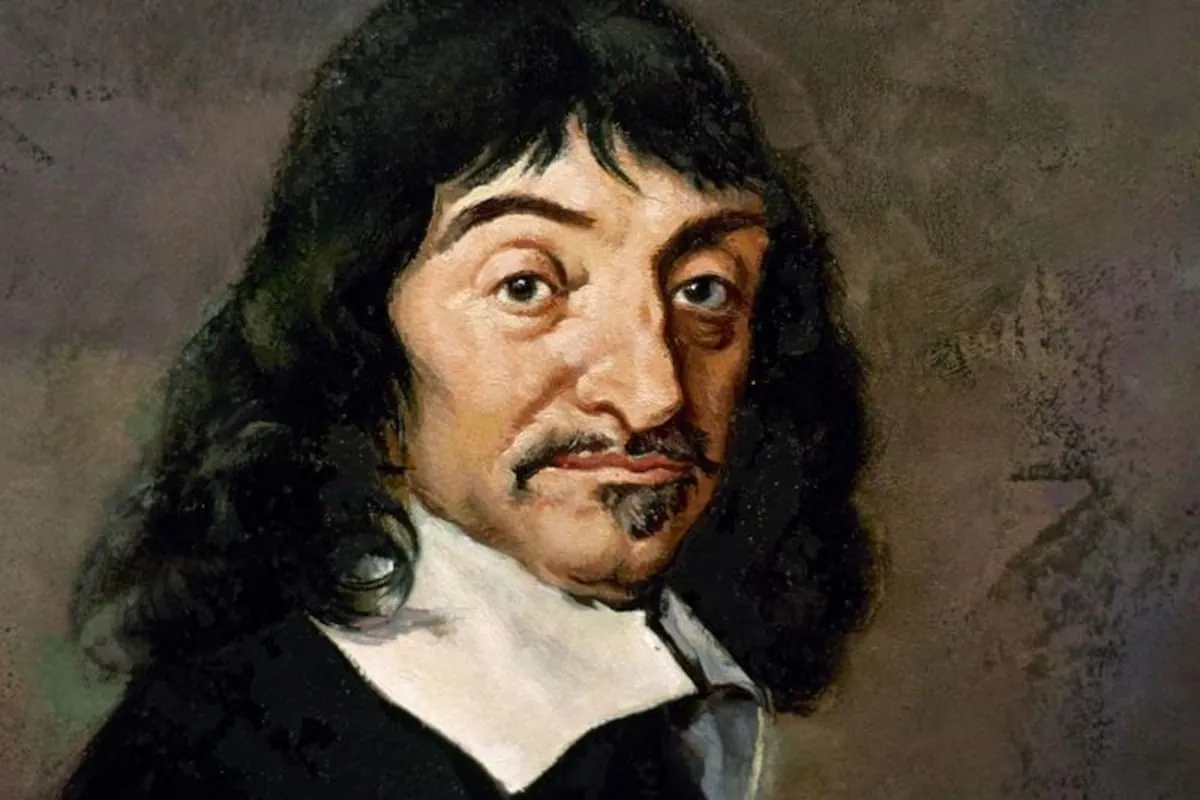
Discussing René Descartes, he offered a critical rethinking of the link between thought and existence. He also challenged the constant measurement of people by their productivity. In his view, stepping outside familiar assumptions can resist social pressure to keep proving one’s worth.
He distinguished everyday and scientific truths, which are mainly concerned with the question of how, from questions about the nature of being. In the post-truth era, he said, people often prefer news that confirms their beliefs over verifiable facts.
On happiness, the philosopher rejected universal formulas for well-being. Drawing on Epicurus and the idea of ataraxia, he described tranquility as a refuge from dependence on consumption and excessive care. He said happiness for him means living out his desire, which in his case is a desire for knowledge.