Robotaxis prompt debate over future of Zurich’s taxi drivers
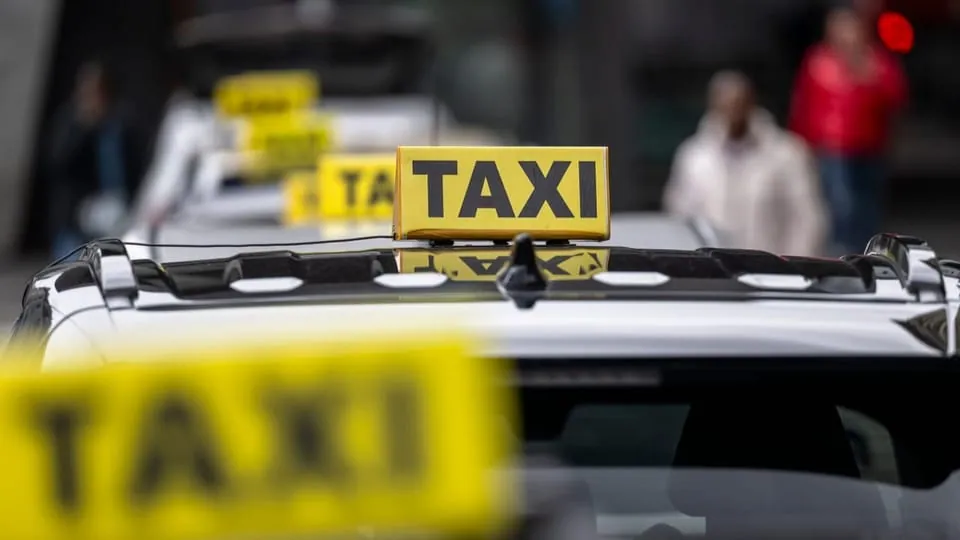
The head of a taxi association predicts a sharp fall in driver numbers, but a mobility researcher says such a rapid shift is unlikely.
Passengers in Zurich canton have been able to book rides in three self-driving electric cars in the Furttal valley since September. The limited pilot service is available only in the afternoons. It is being tested by Swiss Transit Lab, the cantons of Zurich and Aargau, and Swiss Federal Railways.
Against that backdrop, George Botonakis, head of the Zurich Taxi Association, said 80 percent of today’s taxi drivers could be gone within five years. He believes the sector will have to change and drivers will need to offer additional services, such as assistance for older passengers. SRF says about 5,500 taxi drivers currently work in the canton.
Thomas Sauter-Servaes, a mobility researcher at Zurich University of Applied Sciences, called the forecast bold and said rapid replacement of drivers was an extreme and unlikely scenario. Taxi demand varies sharply over the course of the day, making it uneconomic for autonomous operators to maintain a fleet sized for peak periods. Some passengers also need help getting in and out of vehicles, while others may not want to use a robotaxi.
Local politicians are also considering regulation. Left-wing members of Zurich’s city parliament have asked the government to examine whether robotaxis could be prevented from operating in the city or subjected to strict limits.