
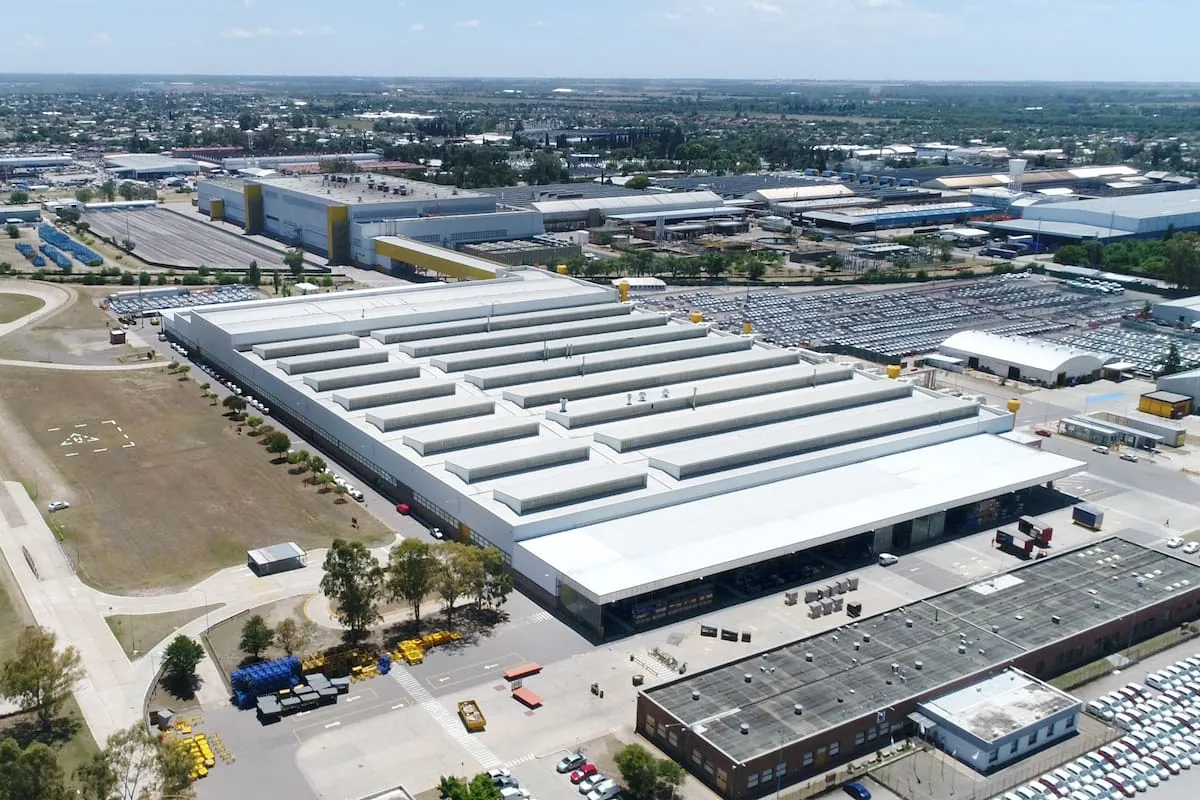
Stellantis could keep both of its Argentine plants, shut one or close both, South America chief Herlander Zola said. He linked the options to costs and production competitiveness.
Stellantis operates two sites in Argentina. El Palomar, in Buenos Aires province, makes the Peugeot 208 and 2008, while the Ferreyra complex in Córdoba produces the Fiat Cronos and Titano as well as the Ram Dakota. Zola said the group could shift production between the plants or close them depending on market conditions, regulations and product competitiveness.
He said labor costs in Argentina were twice those in Brazil. Zola also described production costs as uncompetitive, citing a limited supplier base, and pointed to stronger competition from imported vehicles. He said pressure came from both Chinese brands and cars made in Brazil.
Zola linked Peugeot's difficulties to a decline in the brand's share of the Argentine market. He said the loss of volume explained the need to adjust output at the plant that had supplied most of the brand's production.
The executive said industrial decisions would depend on more than Argentina. Brazil accounts for 65% of South America's automotive market, he said, making the outlook there central to the group's plans.
Stellantis has invested in both Argentine sites in recent years. In September 2024, it announced a $385 million investment to modernize Ferreyra and build pickup trucks there. The project added production of the Fiat Titano and Ram Dakota and included plans to make the Multijet 2.2 diesel engine locally. Engine production was scheduled to begin in January 2027. The plan called for 1,800 jobs and exports of about 70% of the pickups, mainly to Brazil.
At El Palomar, the company invested $270 million to launch production of the Peugeot 2008 in 2024. That followed an earlier $320 million investment to modernize the site and build the Peugeot 208 on the CMP platform. In September 2025, the plant began making mild-hybrid versions of the 208 and 2008 for export to Brazil.
Zola said established automakers had underestimated the pace of Chinese companies' growth and new technologies. He added that the group would struggle to make long-term industrial decisions without a more predictable outlook in Brazil.