Israeli studies point to prolonged mental health strain after years of conflict
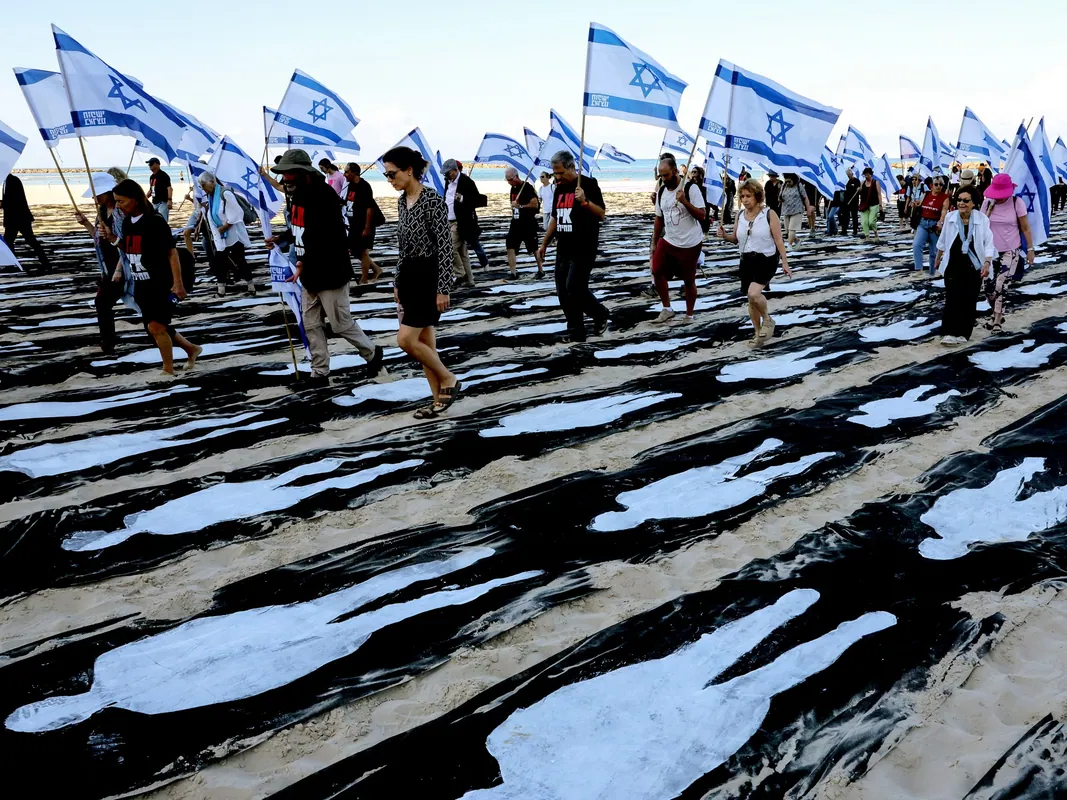
A national survey and Clalit Health Services data indicate that many Israelis report serious difficulties in daily life, while psychiatric emergency visits by children and teenagers have risen.
The National Mental Health Barometer, conducted by the Clalit Health Services Research Institute and the Myers-JDC-Brookdale Institute, found that one in five respondents reported severe difficulty functioning in daily life because of their mental health. About one-third said they felt they needed mental health treatment. Half said their leisure activities had been affected, and 35% reported difficulty forming or maintaining close relationships.
A separate Clalit Health Services analysis based on medical records for about five million members recorded a 121% increase in psychiatric emergency visits by children and teenagers compared with the pre-war period. The Times of Israel and Ynet also reported the figures. The measure reflects visits for care and by itself does not establish the cause of the increase or the prevalence of any specific diagnosis.
Experts interviewed by Al Jazeera said repeated alerts, missile attacks, displacement and uncertainty can disrupt sleep, concentration and everyday decisions. Edgar Jones of King’s College London said people respond differently to prolonged conflict: some develop ways to cope, while bereavement or the destruction of a home can lead to lasting psychological effects.
The article also cites Knesset data showing that 279 serving soldiers attempted suicide between January 2024 and July 2025. The figure covers that defined period and excludes former service members. It describes one part of the demand on mental health services and does not mean suicide is an inevitable consequence of war.