Taiz residents face surging fuel prices as road closures tighten siege
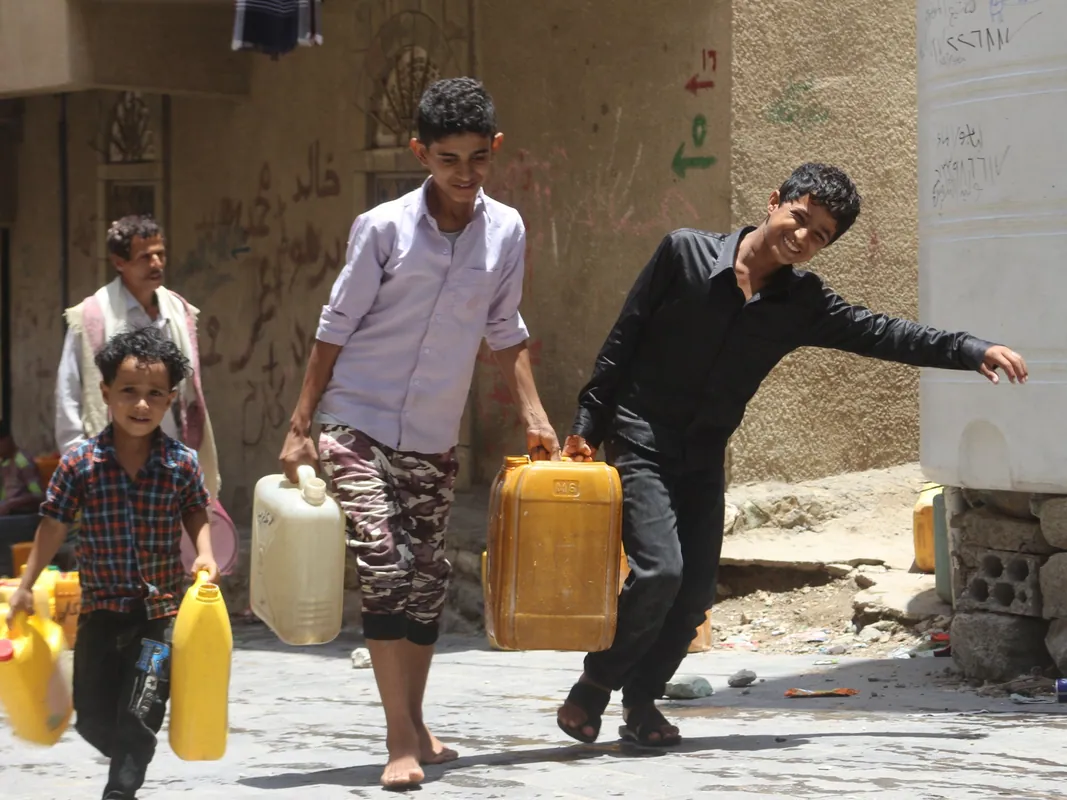
Fuel shortages and rising food prices are intensifying pressure on residents of Taiz as renewed fighting cuts supply routes into the Yemeni city. Local authorities have asked the United Nations for help opening safe corridors, according to an Al Jazeera report published on October 10.
The latest isolation followed Houthi advances south of the city. The group captured al-Turbah by October 4, cutting the principal route linking Taiz to other government-held areas and disrupting fuel deliveries from Aden, Al Jazeera reported.
An eastern crossing reopened in 2024 under domestic and international pressure has also closed amid renewed fighting. Security sources told the broadcaster it was shut following attempted Houthi incursions. That route had become important for food supplies from Sanaa and other northern areas.
The upheaval followed a Houthi offensive along the governorate's Red Sea coast in early September, including the capture of Mocha and Dhubab near the Bab al-Mandeb strait. Saudi-backed government forces regained some territory in a counteroffensive in early October, while fighting continued around Taiz.
Nabil Jamil, director-general of the governorate's planning and development office, said the current blockade affected secondary roads between rural districts as well as main routes. He estimated that government-held parts of the governorate had housed about 2.8 million people, joined by another 200,000 displaced by coastal and rural fighting.
Within days of the renewed siege, a fuel shortage had left city streets nearly deserted. Al Jazeera reported that the black-market price of a 20-litre container of petrol rose from 30,000 Yemeni riyals to 90,000, approximately $19 to $58.
Residents rushed to buy food, fearing that supplies would run out. Some accused traders of hoarding goods. Economic journalist Wafiq Saleh said wheat and flour prices had risen and fruit and vegetable prices had doubled because deliveries were disrupted.
Saleh said traders held enough food for several months, but some had raised prices as fighting intensified on the outskirts. His account points to the immediate pressure of restricted access and stockpiling as well as concerns over future supply.
For Iskandar Abdullah, 37, the shortages recalled the siege of 2015 and 2016. He told Al Jazeera that residents then struggled to obtain drinking water, food, fuel and medicine, with supplies and oxygen cylinders carried across difficult mountain terrain by people and donkeys.
Government forces broke that siege in 2016 by recapturing territory south of the city, although Houthi control of other access points maintained partial restrictions in later years. Residents now hope government troops can recover southern routes or break through from the west.
Journalist Salman al-Maqrami, who covers Houthi affairs, said he believed the blockade was intended to weaken the cohesion of forces opposing the group in Taiz. He also viewed the city as a symbolic target because of its longstanding hostility to Houthi rule.
Nabil Sharyan, a lawyer who heads the Justice for Rights and Development Organization, warned that a prolonged siege would harm civilians, particularly patients, children, women and older people. Restrictions also disrupt students, employees and families travelling between districts.
Sharyan urged international and humanitarian organisations to press for roads to remain open to civilians and goods and for patients to reach care. Jamil said local authorities had written to the United Nations seeking assistance with safe routes and deliveries of food and medicine, but were still awaiting a response or action on the ground.

Auger-Aliassime rallies past Ugo Carabelli in Shanghai
Latest news
RBC reports Sergei Zakamorny remanded in custody in bribery case

More than 100 detained during Chennai protest against election chief

Kozhikode food inspections lead to more than ₹1.6 million in fines

Mishin praises Trusova after Denis Ten Memorial victory