Victoria’s minority government debate exposes limits of election pledges
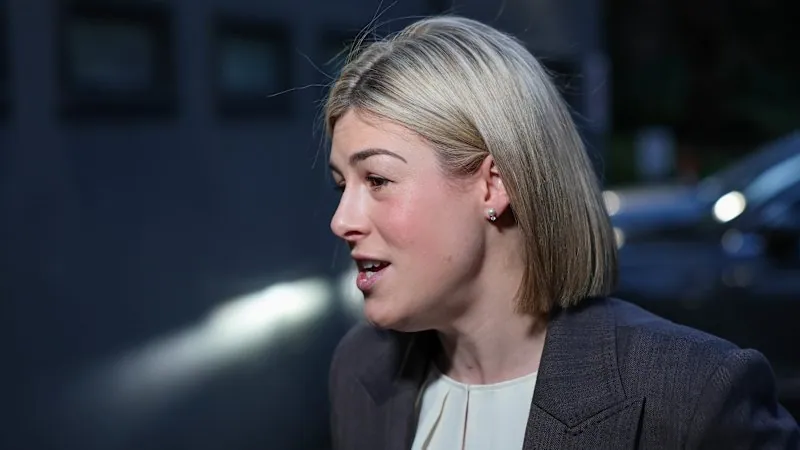
Former Greens leader Bob Brown has urged Victoria’s major parties to prepare openly for a parliament without a majority, as Premier Ben Carroll rejects a Greens deal and opposition leader Jess Wilson avoids committing on One Nation support.
The Age’s analysis published on October 10 brings together competing positions ahead of the November 28 state election. Carroll said earlier in the week that he would relinquish government rather than rely on the Greens. Wilson told ABC presenter Raf Epstein that she was seeking a majority and ruled out a formal coalition with One Nation, while leaving unanswered whether its MPs could sustain a Liberal-National government.
Brown, who negotiated an agreement with Julia Gillard’s Labor government in 2010, argued that accepting the electorate’s verdict includes negotiating with compatible parties or independents when necessary. Carroll defended his position as giving voters a clear choice, drawing a comparison with Anthony Albanese’s rejection of minority government before the 2025 federal election.
A Resolve Political Monitor survey of 1,100 Victorians conducted in May and June found that 45 per cent agreed the two-party system was over, compared with 13 per cent who disagreed. Among Labor voters, 40 per cent agreed, while about two-thirds of One Nation voters did so. Those findings describe attitudes to the system, rather than establish which party will win the 45 seats needed to govern alone.
Former independent MP Susan Davies recalled a practical precedent. After the 1999 election, she and two other independents backed Steve Bracks’s Labor government under an agreement focused on accountability, parliamentary reform and rural services. It lasted until Labor won a majority in 2002, without requiring the independents to support every bill or vote together.
Swinburne University lecturer Robert Hoffman explained that rejecting a formal coalition leaves other arrangements possible. A confidence and supply agreement can keep a government in office and allow its budget to pass while preserving crossbench freedom on other legislation. Ministerial appointments and a fully shared government are therefore separate questions.
The prospects for such an agreement remain contested. One Nation’s Victorian leader Warren Pickering claimed diplomatic ties with the Coalition, while an unnamed senior Liberal disputed that description. Pauline Hanson has pressed Wilson to discuss cooperation. None of those statements establishes that a post-election agreement has been reached.

Airbus flight from Santiago transmits emergency code off Chile’s coast
Latest news

Cam Talbot sets NHL record with victory for his ninth team

Sunitha Krishnan says her voter-roll revision form was rejected
City AM reports Downing Street reassurances over Heathrow expansion

Bhawana Kanth reflects on her path to Fighter Combat Leader qualification