Rice and toor dal prices rise in Karnataka amid rainfall shortfall
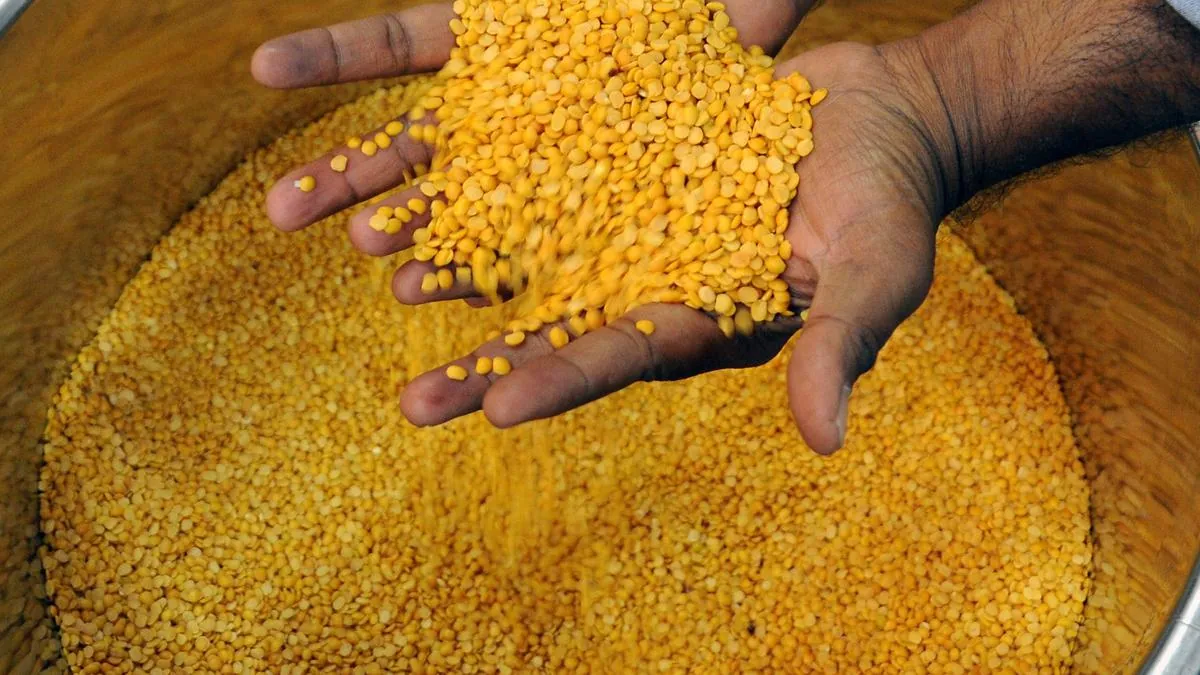
Rice and toor dal prices have risen in Karnataka following a 35% rainfall deficit between June and September. Traders interviewed by The Hindu reported two rice price increases since August, while experts warned of potential crop losses.
Traders put Sona Masuri at about ₹80 per kilogram, up from ₹75, and Basmati at ₹140, up from ₹110. Bullet rice rose from ₹80 to ₹100, Kolam from ₹75 to ₹100 and Rajamudi from ₹125 to ₹150. Some toor dal varieties reportedly gained ₹10–15 over ten days. Separately, Gulbarga fatkar was quoted at ₹145, against ₹125 previously. Household budgets have been affected, while hotels are considering higher prices.
Agriculture Department figures show paddy planted on 620,000 hectares against a one-million-hectare target, compared with 1.043 million hectares in the previous kharif season. Toor planting reached 1.335 million hectares against a 1.6-million target, down from 1.416 million a year earlier.
Karnataka Rajya Raitha Sangha president Chamarasa Malipatil blamed delayed reservoir releases in Ballari, Raichur, Gangavati, Mandya, Malnad and Kalaburagi. He said higher prices would mainly benefit farmers holding stocks from the rabi harvest, rather than all growers.
Agronomist G.R. Denesh, working in an Indian Council of Agricultural Research programme, estimated possible paddy losses of more than 50% in rice-growing districts. That is a forecast rather than a final harvest assessment. He said good rain in late October and November could help stabilise prices.
Shivakumar of the Karnataka State Rice Mills Association said the state has 700 rice mills but limited market stocks. Paddy procurement prices had risen in two months from ₹3,500 to ₹4,600–4,700 per quintal.
Muniswamy S., a scientist at the University of Agriculture in Raichur, linked poorer toor quality to inadequate moisture and soil conditions, and delayed flowering to heat in Kalaburagi. He also cited last year’s floods, which affected production on about 170,000 hectares. Maharashtra and Karnataka are leading Indian producers of the crop.

Trump accuses rally protesters of being paid during Syracuse speech
Latest news
Brazilian prosecutors sue Shell for $108 million over 2024 floods

SuperJob compares starting salaries for inexperienced workers in Moscow

NBC reports watchdog investigation of Kimberly Guilfoyle and U.S. Embassy in Greece

North Korea rejects U.S. human trafficking report