Revanth Reddy orders study of PRT links for congested Hyderabad districts
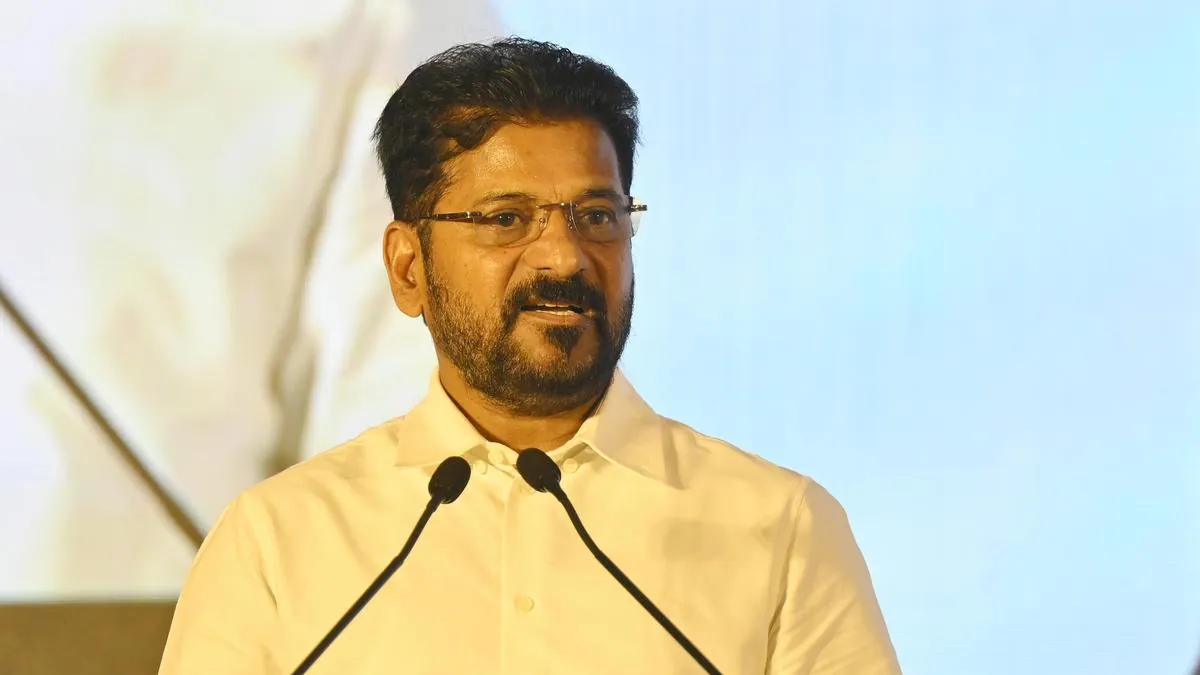
Telangana Chief Minister A. Revanth Reddy has instructed officials to develop proposals for Personal Rapid Transit in congested parts of Hyderabad. The Hindu reported that the system would connect residential areas and industrial employment centres with existing public transport.
At a review of Core Urban Region Economy projects, officials were asked to examine leading PRT systems abroad and promptly submit a report. Proposed connections should serve busy destinations and employment centres, linking them with Metro Rail, MMTS and bus stations.
Reddy emphasised modern technology, suitable locations and efficient maintenance. His instruction concerns project planning. The account of the meeting gives no approved routes, budget or opening date for the PRT system.
He separately directed officials to speed up flyovers and underpasses. Around KBR Park, he sought smoother traffic under the proposed one-way arrangement, including improvements at junctions, left turns and U-turns, and faster relocation of utilities.
The road priorities include a flyover from Nagarjuna Circle towards Jubilee Check Post. Citing the pace of infrastructure work in Mumbai, Reddy asked officials to study its construction methods and technologies and aim to finish projects undertaken within a year.
Officials were also told to assess a radial road alongside the proposed Hyderabad-Mumbai high-speed rail corridor. The review should examine opportunities to widen existing roads and construct new ones between Shankarpally and Chevella.
Another part of the meeting addressed recycled water. Officials said plans covered the use of 500 million litres a day. Reddy asked for a comprehensive assessment of demand and supply and faster implementation of the relevant projects.
The water could serve data centres at Bharat Future City, Chandanvelly and Aluru, along with other industries. Its use in high-rise buildings, landscaped areas and parks is intended to reduce demand for fresh water where drinking-water quality is unnecessary.
Sydney police seek witnesses after fatal Mount Druitt stabbing
Latest news

Orlyonok opens five workshops for young journalists’ forum

Noemi Alix describes help from strangers on her travels in Russia
Sydney small businesses turn to cash and card minimums after surcharge ban
USGS records fresh magnitude 6.0 earthquake in Panama