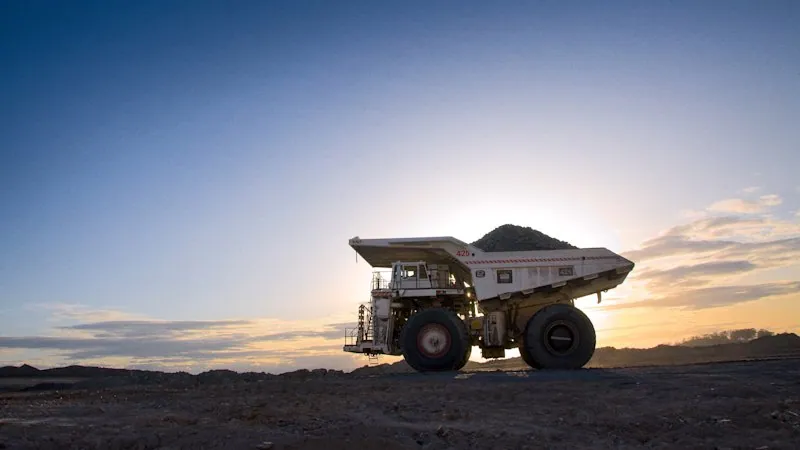
Lawyers expect fresh challenges over how approvals account for emissions from exported coal after the High Court of Australia overturned a permit for the Mount Pleasant mine. A separate approval for the Hunter Valley Operations project may also face a court challenge.
On Wednesday, the court invalidated approval to extend Mount Pleasant in New South Wales. The majority said the planning commission should not have excluded emissions produced overseas when Australian coal is transported and burned. The ruling concerns the commission’s duties when setting approval conditions, rather than imposing a general ban on coal projects.
The Hunter Valley Operations (HVO) extension was approved a week before the Mount Pleasant ruling. It grants the project nearly 20 additional years of operation, through 2045. The commission estimated that the mine could generate about 800 million tonnes of emissions over that period, with roughly 98% tied to transporting and using coal outside Australia.
Lawyers quoted by the Sydney Morning Herald say opponents could use the court decision to challenge HVO’s approval. University of Melbourne researcher Lily O’Neill said the commission did not assess the economic damage caused by overseas emissions, known as Scope 3. Authorities cited the lack of a reliable method for calculating that damage and local benefits such as jobs and tax revenue.
Justices Michelle Gordon and James Edelman said emissions should not be divided into categories when assessing their climate impact. After the permit was overturned, Mount Pleasant owner MACH Energy Australia must defend the project again in the Land and Environment Court. The ruling does not automatically cancel HVO’s separate approval.
The commission specifically conditioned HVO’s approval on exporting coal only to countries signed up to the Paris Agreement or a comparable framework. New South Wales Premier Chris Minns called the court ruling narrow and said it was unlikely to affect other approvals. Industry experts warned that closer scrutiny could complicate mine expansions and exports, while lawyers cautioned against treating the decision as a universal precedent.