ENTSOG models peak-day gas shortfall risk in south-eastern Europe
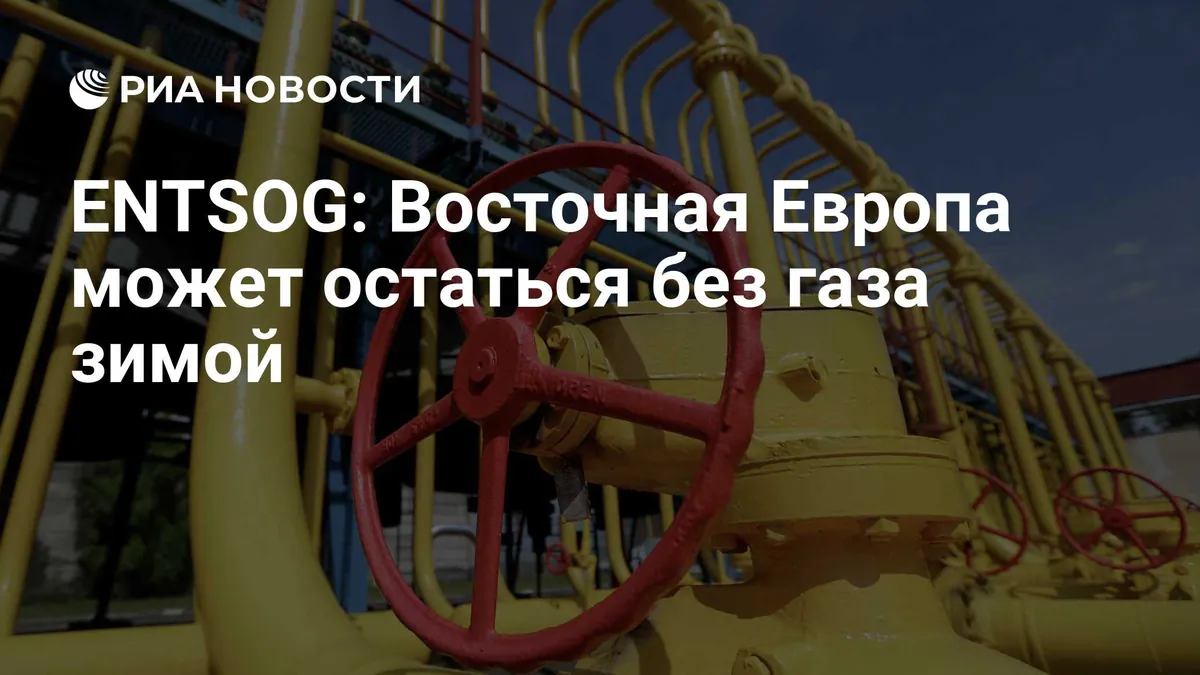
With gas storage 35% full and Russian pipeline supplies completely interrupted, potentially unmet peak-day demand could reach 12% in south-eastern Europe. The scenario appears in ENTSOG's winter outlook, reported by RIA Novosti on October 9.
The corresponding estimate for Europe is approximately 6%. These figures describe modelled conditions rather than an expected shortage across the entire winter. The analysis combines low storage levels with interrupted supplies and peak consumption during a cold winter.
Landlocked countries in central, eastern and south-eastern Europe are particularly exposed. Their access to liquefied natural gas depends on pipelines transporting fuel from other regions. Constraints on west-to-east flows can hamper supply even when gas is available elsewhere in the system.
The outlook also considers interrupted pipeline imports from Algeria and disruption of offshore infrastructure supplying continental Europe. ENTSOG highlights the importance of coordination between countries, sufficient stocks and the ability to withdraw gas from storage during periods of peak demand.
RIA Novosti places these estimates in the wider context of the EU's move away from Russian energy. Its coal embargo took effect in August 2022, followed by the ban on seaborne Russian oil in December and petroleum products in February 2023. Pipeline oil supplies to certain countries received exemptions, so these measures should not be described as ending all supplies.
The agency also cites Poland's approximately 3.8 million coal-heated households in 2022 and Hungary's and Slovakia's dependence on Russian oil. Those examples concern separate markets and periods and are not part of the calculation of a 12% gas shortfall. Russian authorities criticise the EU's move away from their energy resources, linking it to higher consumer costs. ENTSOG's outlook assesses supply conditions rather than establishing that a crisis is inevitable.