Australian voice actors seek consent protections for AI copies of their performances
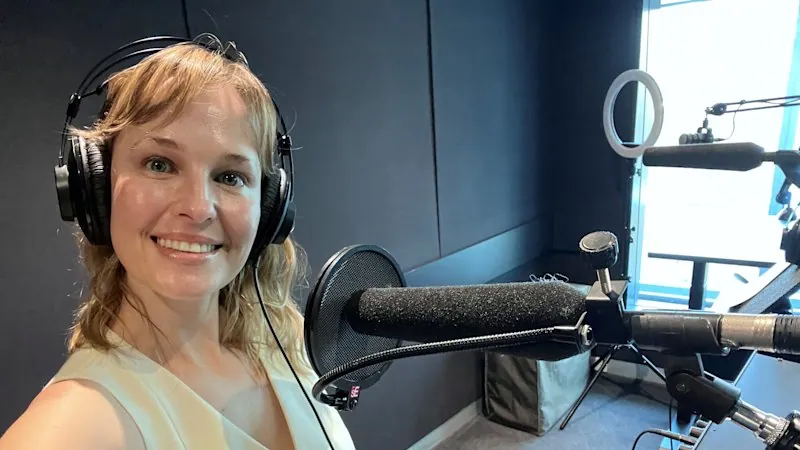
Voice actor Jacqui Duncan told The Sydney Morning Herald that her income last financial year was about 30% of its usual level. She attributes the decline partly to artificial voices and pressure from clients to lower rates.
Duncan has voiced more than 5,000 advertisements for Australian radio and television but says she owns none of their copyrights. She now has a second job. As an Equity representative in NSW, she argues that discussions about using recordings must consider performers’ consent alongside the rights of studios or advertisers.
Australian Association of Voice Actors president Simon Kennedy told a parliamentary committee that members’ work had fallen 62% over a year. That is the professional association’s estimate. Duncan described colleagues whose voices and faces were used in new campaigns without separate consent or payment.
In banking, Senator Tony Sheldon raised Kathryn Sullivan’s case. He said that after 25 years at Commonwealth Bank she helped train a chatbot before being told it would replace her. Chief executive Matt Comyn confirmed that he had apologised over the case but did not confirm the claim that she received only a day’s notice.
The Shop, Distributive and Allied Employees Association described automated systems assigning rosters, tasks and performance assessments. One case in its submission concerned a supermarket employee given a warning for scanning errors involving roughly one item in 533. The union is challenging the warning and says she was not told what error threshold was acceptable.
For Aldi distribution centres, the union reported new picking benchmarks and complaints about strain, exhaustion and injuries. Aldi rejected claims that the targets endangered safety, said it consulted and trained employees, and invited the union to provide specific information for investigation.
The Australian Chamber of Commerce and Industry says evidence of systemic workplace harm from AI is insufficient. It argues that existing workplace safety, unfair dismissal and consultation laws already apply.
The newspaper also compared support after car-plant closures with current retraining programmes. Victoria allocated A$14 million to help more than 6,200 workers facing AI-related changes. Commonwealth Bank’s A$90 million programme covers all employees over three years.
Researcher Andrew Beer warned the outlet that finding work after redundancy can mean lower pay and a move into a less promising industry. For voice actors, control over their own voices remains a separate concern: paying a copyright holder and obtaining a performer’s consent address different issues.
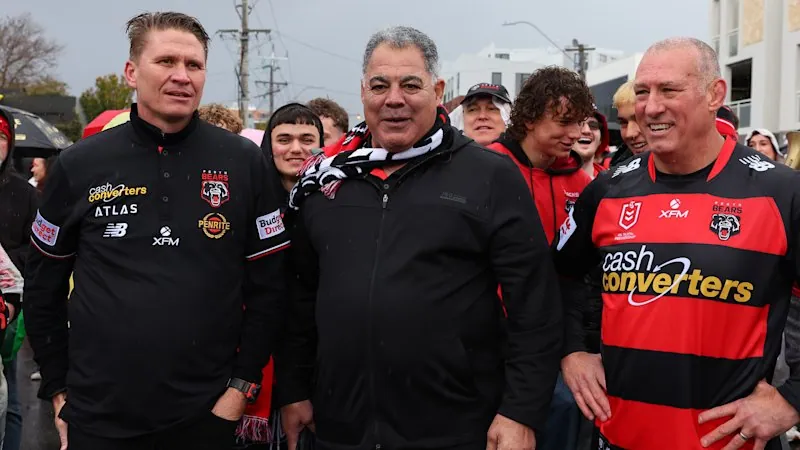
V’landys backs Perth Bears coaches after CEO's departure
Latest news
Aleksey Kulemzin reports 343 substations offline in Donetsk
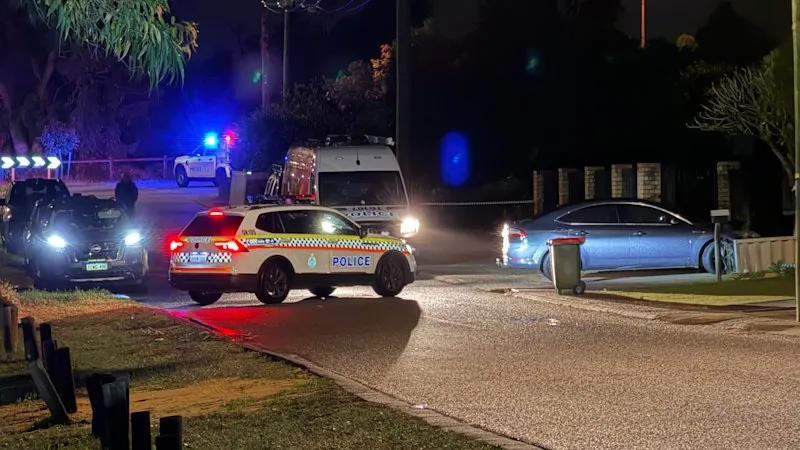
Ashley Bruno Grillo appears from hospital on charge of murdering twin in Perth
Vladislav Shapsha reports 19 drones destroyed over Kaluga region

RBI opens special dollar window for state oil companies